

Canada only has two host cities for the 2026 World Cup. The difference between choosing Toronto or Vancouver could mean several hundred dollars in your total budget, or a completely different trip in what you experience day to day.
These cities are nothing alike. They have different costs of living, different accessibility from Latin America, and profiles that fit better with certain types of travelers. This article compares the two options with real numbers and concrete profiles.
The city that works for you depends on three clear factors: where you're departing from, how many matches you want to see, and how much you're willing to pay per night for a hotel.
The two Canadian host cities: quick context
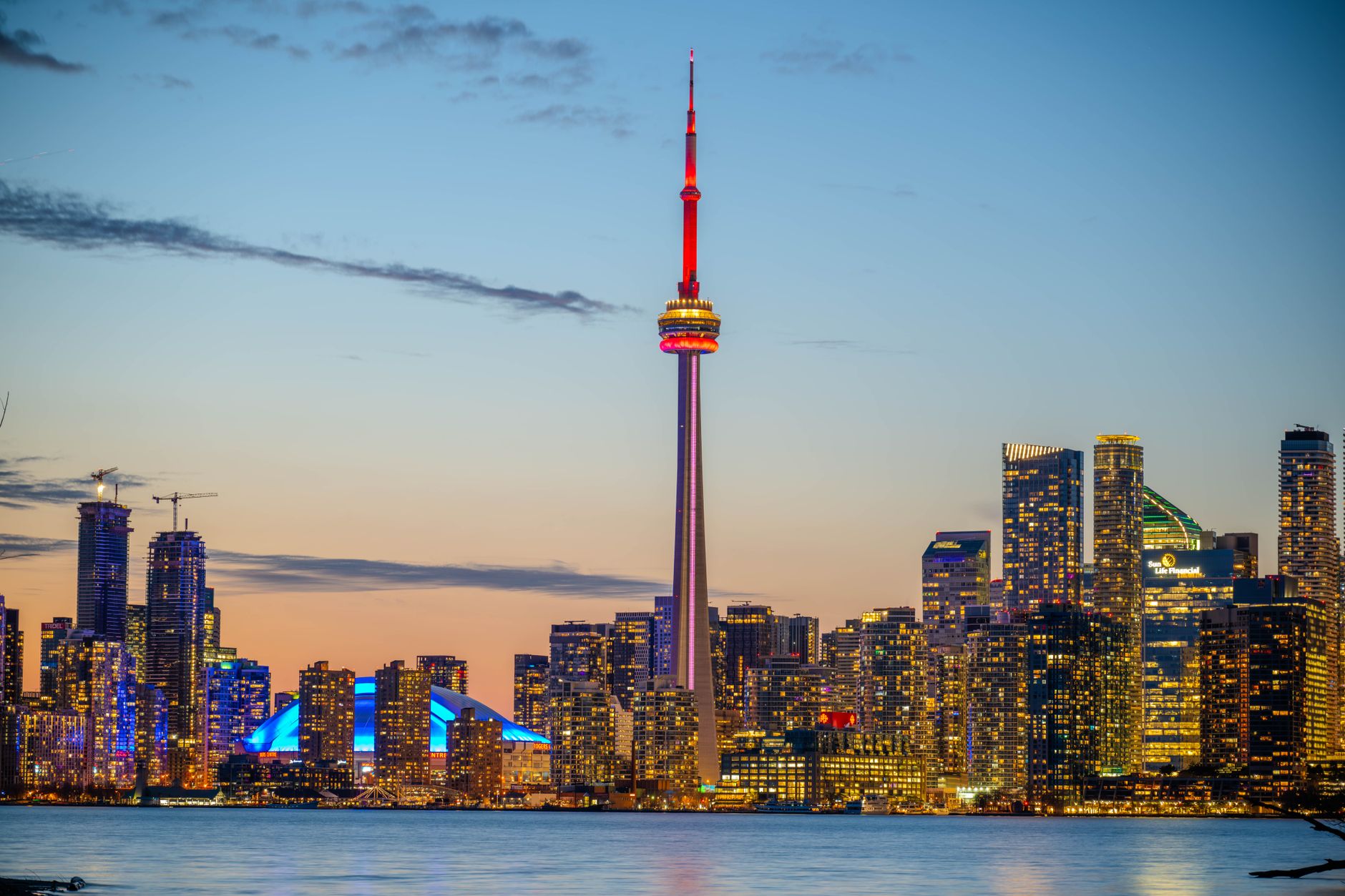
🔗 Recommended · EKTA InsuranceToronto plays at BMO Field, which after expansions will have capacity for approximately 45,000 spectators. It's in the Exhibition area and easily accessible by public transit from downtown. It's Canada's largest city and its subway system, the TTC, works well, though the city feels sprawling. Getting between neighborhoods can take longer than you'd imagine.
The hotel options are massive: from hostels to luxury chains right in downtown. That gives you real options even if you decide to travel with little advance notice.
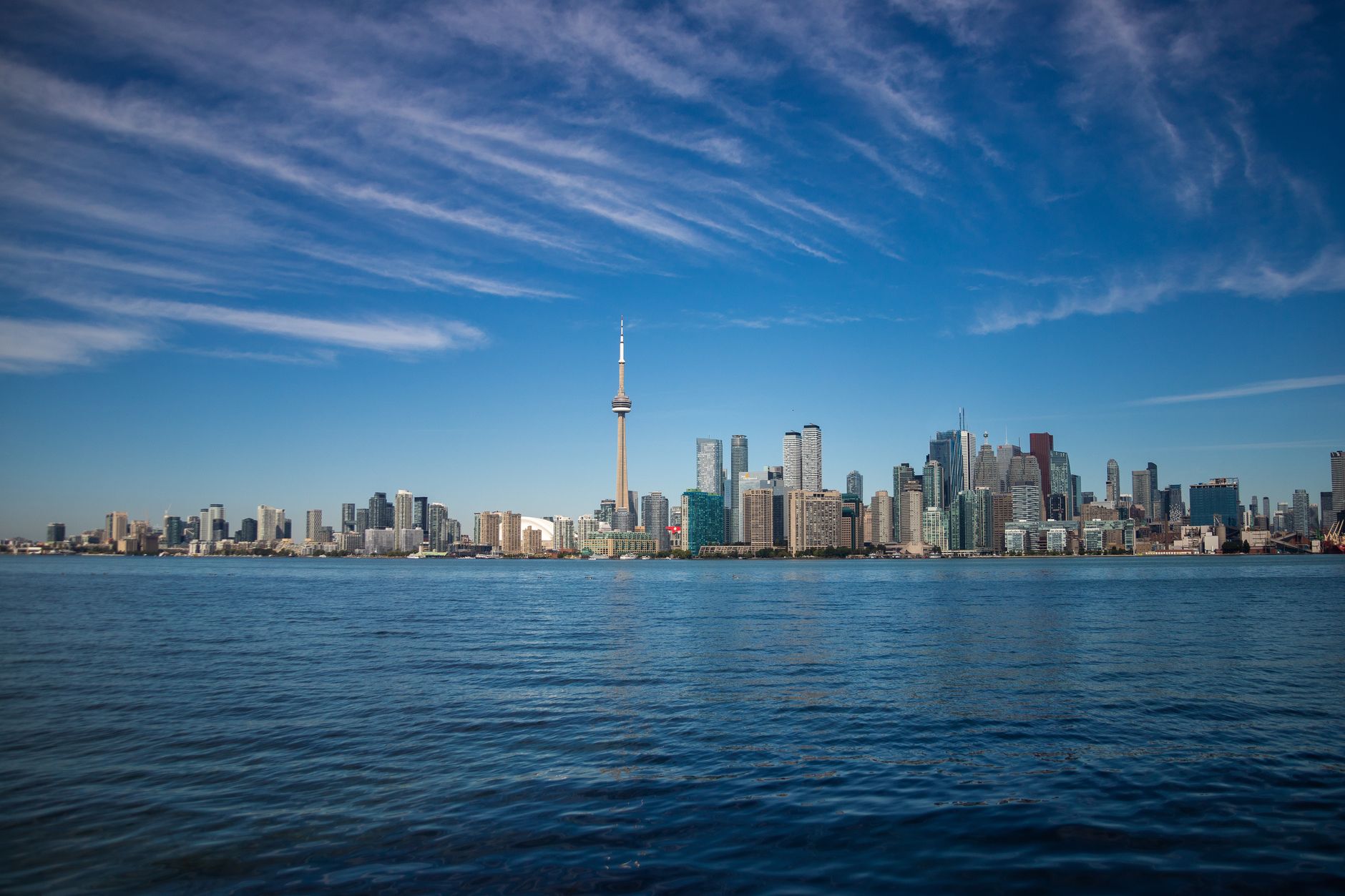
Vancouver uses BC Place, a domed stadium with capacity for around 54,000 people. Its location is privileged: walking minutes from Gastown and Yaletown. The SkyTrain connects the airport to downtown in under thirty minutes and drops you close to the stadium. It's a more compact and walkable city, which reduces fatigue after a match day and lets you move around without depending on long transfers.
Both are expensive by Latin American standards. Vancouver tends to be eight to fifteen percent more expensive for accommodation and daily food, according to our estimates. That gap hits hard when you multiply it by seven or ten nights. Toronto, with more hotel inventory, historically controls prices better during big events.
Flights from Latin America: the first variable
Flights are usually the first big budget decision. The difference can be dramatic depending on where you're departing from.
From Mexico City, according to our estimates based on current cross-border route trends, direct flights to Toronto (YYZ) run between $350 and $550 USD round trip during tournament dates. To Vancouver (YVR) the range is between $420 and $650 USD, due to fewer direct flight options. From Bogota, Lima or Buenos Aires, Toronto normally comes out cheaper thanks to better connections via the eastern United States. Vancouver favors Pacific routes.
Rule of thumb: if you're departing from the Southern Cone or Colombia, Toronto is usually the most economical option for flights. If you're traveling from CDMX or Guadalajara, the difference is smaller and it's worth opening Google Flights or Skyscanner with your exact dates. Checking every few days can easily save you between $80 and $150.
Accommodation: here's the most important difference
Accommodation is where you feel the biggest hit to your wallet. These are the ranges we're seeing, according to our estimates based on large sporting event behavior and Canadian market reports for the World Cup:
Toronto during match dates:
- Hostel / shared dormitory: approximately $80–$120 CAD per night
- 3-star hotel downtown area: approximately $280–$420 CAD per night
- 4-star hotel: approximately $450–$700 CAD per night
- Airbnb private apartment: approximately $200–$380 CAD per night
Vancouver during match dates:
- Hostel / shared dormitory: approximately $90–$130 CAD per night
- 3-star hotel downtown area: approximately $300–$480 CAD per night
- 4-star hotel: approximately $500–$800 CAD per night
- Airbnb private apartment: approximately $220–$420 CAD per night
Vancouver is consistently more expensive. Toronto has much more inventory, which moderates prices even with high demand. The Radio-Canada report from May 2026 is clear: there are still tickets available in Toronto at more reasonable prices than many expected. That indicates demand didn't explode as projected and the hotel market is responding with real options.
Daily costs outside the stadium
Canada isn't cheap for eating or getting around. There are nuances between the two cities that add up or subtract over a full week.
| Item | Toronto (est.) | Vancouver (est.) |
|---|---|---|
| Fast food / food court | $15–$22 CAD | $16–$24 CAD |
| Casual restaurant (per person) | $25–$40 CAD | $28–$45 CAD |
| Public transport (per ride) | $3.30 CAD | $3.25 CAD |
| Daily transport pass | $13.50 CAD | $11–$15 CAD |
| Beer at bar | $8–$12 CAD | $8–$13 CAD |
| Coffee | $5–$7 CAD | $5–$7 CAD |
All figures are estimates. The CAD exchange rate with your local currency changes the final result, so check it before you travel.
Vancouver wins on transfer practicality: the SkyTrain goes direct from airport to downtown and the stadium. Toronto works well with the TTC, but being a more sprawling city means more connections and more time. If you stay far from downtown, you can easily lose forty minutes a day in transfers.
The calculation by traveler profile (seven nights, two matches)
Here the comparison becomes concrete. We take the most common scenario for the Latin American traveler: seven nights, two matches, round-trip flight. All figures are converted to USD with approximate exchange rate of 1 CAD = 0.73 USD.
Profile 1: Budget traveler (hostel, food at markets and food courts)
| Item | Toronto | Vancouver |
|---|---|---|
| Round-trip flight (from CDMX, est.) | $420 USD | $520 USD |
| Accommodation 7 nights (hostel, est.) | $420 USD | $475 USD |
| Food 7 days (est.) | $210 USD | $230 USD |
| Local transport 7 days (est.) | $70 USD | $65 USD |
| Tickets 2 matches (group stage, est.) | $200 USD | $200 USD |
| Miscellaneous / unexpected (est.) | $100 USD | $100 USD |
| Estimated total | $1,420 USD | $1,590 USD |
Toronto comes out about $170 USD cheaper. That savings could mean an extra match or simply traveling without as much financial pressure. In this profile the key is booking well-located hostels and maximizing public transport.
Profile 2: Mid-range traveler (3-star hotel, mix of restaurants and fast food)
| Item | Toronto | Vancouver |
|---|---|---|
| Round-trip flight (from CDMX, est.) | $450 USD | $550 USD |
| Accommodation 7 nights (3★ hotel, est.) | $1,820 USD | $2,100 USD |
| Food 7 days (est.) | $350 USD | $380 USD |
| Local transport 7 days (est.) | $80 USD | $75 USD |
| Tickets 2 matches (group stage, est.) | $280 USD | $280 USD |
| Miscellaneous / unexpected (est.) | $150 USD | $150 USD |
| Estimated total | $3,130 USD | $3,535 USD |
The difference grows to $405 USD. For this profile, Toronto allows a more comfortable budget or the possibility to add another experience around the tournament. You can treat yourself to a couple of decent restaurants without feeling like you're breaking the bank.
Profile 3: Premium traveler (4-star hotel, restaurants, complete experience)
| Item | Toronto | Vancouver |
|---|---|---|
| Round-trip flight (from CDMX, est.) | $550 USD | $650 USD |
| Accommodation 7 nights (4★ hotel, est.) | $3,640 USD | $4,200 USD |
| Food 7 days (est.) | $560 USD | $600 USD |
| Local transport / taxis (est.) | $140 USD | $130 USD |
| Tickets 2 matches (quarters/semis, est.) | $500 USD | $500 USD |
| Miscellaneous / experiences (est.) | $300 USD | $300 USD |
| Estimated total | $5,690 USD | $6,380 USD |
Here the gap reaches $690 USD. If you're traveling premium, Toronto gives you more margin to invest in better stage tickets or additional activities: seats closer to the field or an excursion you'll remember long after the tournament.
What the numbers don't capture: each city's experience
The calculations say Toronto is cheaper across all profiles. But there are factors that the tables don't measure and that for many completely change the decision.
Vancouver wins on immediate natural environment. You can see snow-capped mountains from downtown, the climate is milder in summer, and the city is compact and walkable. Its food scene with strong Asian influence is exceptional. If your World Cup trip is also a trip to Canada, Vancouver leaves stronger memories outside the stadium. A walk through Stanley Park after a match feels like another level. The city invites you to easily combine soccer with nature.
Toronto wins on event practicality. It has more accommodation variety, better air connectivity from most of Latin America, and infrastructure already proven in international tournaments. If your real priority is seeing the maximum number of matches possible, Toronto is the logical choice. Its huge Latino community also helps: you move around more easily, find familiar food without much searching, and feel at home from day one.
The moderate demand factor: why planning now makes sense
The Radio-Canada data about tickets still available in Toronto at accessible prices isn't minor. In normal World Cup cycles, hotel and ticket prices rise sharply in the final months. This time Latin American demand toward Canada has been more moderate than projected.
That opened a window. Accommodation hasn't spiked uniformly and there's still inventory in reasonable ranges. We've monitored the two Canadian host cities month by month and the pattern holds: whoever plans now with real data has access to options that in a high-demand scenario simply wouldn't exist.
Waiting until the end could cost you dearly. Good rooms near the stadium disappear first. Booking three or four months in advance still gives good results in both cities, but clearly better in Toronto.
The concrete verdict
Choose Toronto if: your budget is tight, you're flying from eastern or central Mexico, Colombia or the Caribbean, your main goal is to see the maximum number of matches possible, or you're coming to Canada for the first time and want to maximize the tournament experience over the city experience.
Choose Vancouver if: you have an extra $400 to $700 USD to spend and want the city context to be a central part of the experience, you're flying from the Pacific (Lima, Santiago with connections, Mexico City with good options to YVR), or soccer is part of the trip and not the only objective.
Don't choose Vancouver just because it "sounds prettier" — that's the decision that most frequently results in a blown budget. The city is spectacular, but that spectacularity has a real price that shows up in every line of your budget.
The best trip isn't the most expensive or the cheapest — it's the best reasoned.
Ready to plan your 2026 World Cup trip? Talk to Osi on Telegram and we'll help you with numbers for your route: real flight comparisons from your departure city and accommodation options based on the match schedule that interests you.
Sources
- Radio-Canada Internacional — Tickets available for matches in Toronto
- FIFA — 2026 World Cup official information
- El Universo — 2026 World Cup venues, stadiums and capacities
- Deportes TVC — Cheapest tickets and where to buy them