
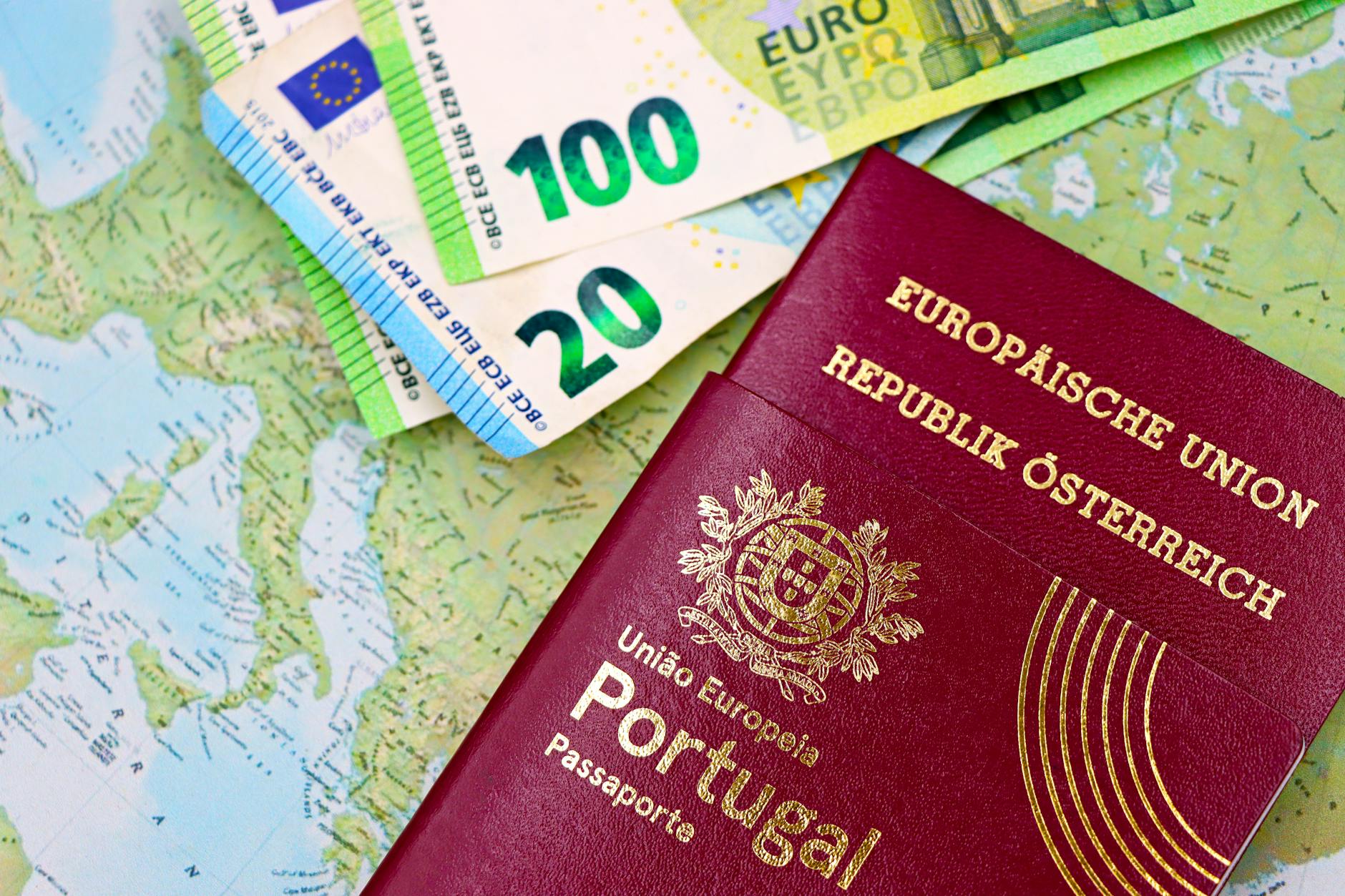
Getting travel insurance should be simple. It's not. The main problem isn't the fine print — it's that most guides ignore a variable that changes everything: where you're from.
A Mexican traveler buying SafetyWing faces different options than an Argentine buying the same product. A Colombian heading to Europe must meet minimum coverage requirements that don't even apply to a Canadian. A Peruvian wanting to cover adventure sports might discover that the most popular provider on Instagram isn't their best option.
This guide won't tell you which is the world's best travel insurance. That would be lying to you. What I do give you is a concrete process to decide based on your real profile: your country of origin, your destination and the specific risks you need to cover.
A warning before we start: prices change constantly based on age, destination, duration and purchase date. The numbers I mention are reference points to understand each product's logic. Always verify the exact price on the provider's site before buying.
Why your country of origin matters more than you think
🔗 Recommended · EKTA InsuranceYour nationality and legal residence influence four concrete aspects.
First, sales availability. Not all providers sell to residents of all countries. SafetyWing restricts sales to people from certain sanctioned countries. Assist Card has a strong commercial presence in Latin America but is practically nonexistent in the Anglo market. World Nomads has historically limited sales to residents of Cuba, Iran or North Korea.
Second, visa requirements. If you're Latin American and travel to Europe with a Schengen visa, insurance isn't optional. You must demonstrate minimum 30,000 euros of medical and repatriation coverage. This immediately eliminates several budget options that don't reach that threshold.
Third, coverage in your country of residence. The vast majority of travel insurance excludes any treatment in your usual country of residence. Seems obvious, but complicates life for those living abroad. If you're Argentine living in Mexico and something happens to you in Mexico, your travel policy doesn't apply.
Fourth, base price. Some providers calculate actuarial risk based on your country of residence, not just the destination. A US passport usually pays more than a Colombian one for identical coverage, mainly due to the cost of eventual repatriation.
Understanding these four points saves you from buying something that won't work for your case.
The four providers dominating the Latin American market
SafetyWing
SafetyWing became the favorite of digital nomads and long-term travelers for a practical reason: it works as a monthly subscription. You pay every 28 days and cancel whenever you want. Ideal when you don't have an exact return date.
It covers medical emergencies, medical evacuation, repatriation and baggage loss (with low limits). Includes cancellation only for specific causes. Doesn't cover adventure sports by default, nor routine medical checkups, pre-existing conditions or most trip cancellations.
For Latin Americans it has a useful detail: it allows visits to your home country up to 30 days per every 90-day period. Works well if you already live abroad. But if you're Mexican and departing directly from Mexico, this product isn't available to you — in that case look for a traditional policy.
Check updated prices according to your age and destination directly at safetywing.com.
World Nomads
World Nomads positioned itself as insurance for adventurers. Its main differentiator is broad coverage of sports and risky activities: surfing, high-altitude trekking, diving, climbing. It has two main plans; Explorer is the one that includes the most extreme activities.
It accepts residents from most Latin American countries and their customer service works in Spanish and English. However, medical coverage limits might fall short in destinations with very high hospital costs, like the United States or Switzerland. Doesn't cover pre-existing conditions in most cases nor cancellations outside their specific list of causes.
Check current prices and conditions at worldnomads.com. They vary quite a bit based on your country of residence, age and destination.
AXA
AXA is the corporate option in the good sense. It has solid financial backing, broad global assistance network and clear documents that facilitate consular procedures. It's among the most accepted for Schengen visas because its certificates are designed specifically for that purpose.
In Mexico, Colombia, Argentina and other regional countries it offers local products adapted to Schengen requirements. Covers medical expenses well with high limits, trip cancellation, document theft and legal assistance. The downside is price: it's usually higher than SafetyWing or World Nomads for similar profiles.
Check your local AXA site according to your country of residence.
Assist Card
Assist Card has the highest historical penetration in South America, especially in Argentina, Chile, Uruguay and Brazil. Its model goes beyond reimbursement: it's real assistance service. 24-hour operators coordinate directly with hospitals and providers, often without you having to pay out of pocket first.
For Argentines it's especially practical. It handles the complexity of local payments and documentation well, and accepts payments in pesos at real exchange rates. Their "Total" plans offer broader coverage than basic ones: medical assistance, emergency dental, cancellation, baggage loss and early return.
Check availability and prices at assistcard.com according to your country.
| Provider | Best for | Meets Schengen easily | Adventure sports | Flexibility (duration) | Relative price |
|---|---|---|---|---|---|
| SafetyWing | Nomads and long trips | Not always | Not by default | Very high (subscription) | Low |
| World Nomads | Adventure and risk trips | Yes | Broad (Explorer) | Medium | Medium |
| AXA | Europe with visa and certainty | Excellent | Limited | Low (per trip) | High |
| Assist Card | South American travelers | Excellent | Limited | Low (per trip) | Medium-high |
This table is just a starting point. Your specific case might completely change the ranking.

Decision framework: three questions before buying
Instead of recommending a universal provider, here's the process I would use myself.
Question 1: Do you need insurance for a visa?
If you're traveling as a Latin American to Europe, the answer is almost always yes. The consulate requires minimum 30,000 euros of medical and repatriation coverage, valid throughout the Schengen area and with exact dates.
AXA and Assist Card are usually the most straightforward options because their certificates are designed for consular procedures. SafetyWing in monthly format can raise questions about exact date matching and complicate approval.
Don't try to save money here. A consular rejection costs time and money.
Question 2: How long is your trip?
For short trips (less than 30 days) with fixed dates, a traditional policy from AXA, World Nomads or Assist Card usually gives better coverage-to-price ratio.
When you exceed 45 days or dates are flexible, SafetyWing wins with its subscription model. You don't need to guess the exact return day.
For digital nomads or trips without a defined return date, SafetyWing is the only one of the four created specifically for that profile.
Question 3: What specific risk are you covering?
This question separates smart purchases from those made out of vague fear.
Medical emergency: all cover it, but limits and payment methods vary. In the United States, Japan or Switzerland you need high limits and, preferably, direct hospital payment.
Trip cancellation: only pays for specific causes — serious illness, close family member death, natural disaster. "Cancel for any reason" coverage exists, but is considerably more expensive.
Adventure sports: if your itinerary includes diving, high-altitude trekking, skiing or climbing, World Nomads Explorer is usually the clearest option. Basic plans from SafetyWing, AXA and Assist Card generally exclude them.
Theft and baggage loss: all have low limits. If you travel with camera equipment or expensive electronics, check if your home insurance or credit card already offers complementary coverage abroad.
Scenarios by traveler profile
Mexican, 32 years old, ten days in Europe with Schengen visa. Your number one priority is that the document be accepted by the consulate without complications. AXA Mexico or Assist Card are usually the most straightforward options because their certificates meet requirements without question. Check current prices according to your age and exact dates.
Colombian, 28 years old, six weeks backpacking in Southeast Asia. No insurance requirement for visa. Main risk is medical and theft. SafetyWing works well for duration flexibility. If you plan to dive in Thailand or ride motorbikes through Vietnam, check exclusions carefully — in those cases World Nomads Explorer might be a better option or useful complement.
Argentine, 45 years old, two weeks in the United States. Medical coverage limit is what really matters. A simple hospitalization in the US can easily exceed $50,000. Basic plans from any provider fall short. Assist Card has experience working with the Argentine market and specific plans for this high-cost destination.
Brazilian, digital nomad, traveling indefinitely. SafetyWing is designed exactly for this case. Coverage of up to 30 days in Brazil every 90 days is useful for family visits. When you do segments with risky activities, consider adding World Nomads just for those periods.

What no travel insurance covers (and people are surprised)
There are exclusions that cause more problems than you imagine.
Pre-existing conditions. If you have a condition diagnosed before buying the policy, related complications are generally excluded. Some providers offer additional coverage if you declare the condition and pay an extra premium. Ask specifically.
Pandemics and epidemics. After COVID-19 policies changed. Some cover medical treatment but not cancellation due to government restrictions. Read that section with a magnifying glass.
Medical tourism. If you travel with the main purpose of receiving planned treatment, no standard travel insurance covers you. They're made for emergencies, not scheduled surgeries.
Activities under influence. Any incident that occurs while you're under the influence of alcohol or drugs is excluded in practically all policies.
Wars and conflicts. If your government issues a "do not travel" alert and you decide to go anyway, it's very likely insurance won't respond for related incidents.
The number that actually matters before buying
Few people make this comparison: the cost of insurance versus the real financial impact if something goes wrong.
Insurance normally represents between 3% and 6% of a trip's total cost. Seems like a lot until you see that medical evacuation from Europe can cost between $15,000 and $50,000 depending on complexity and distance. Hospitalization in the United States without coverage can generate debts that affect your life for years.
Travel insurance isn't where you optimize your budget. It's where you decide how exposed you want to be to a low-probability but high-impact event. If an unexpected medical expense of that magnitude would put you in serious trouble, insurance stops being optional and becomes risk management.
If you're putting together the complete budget for your next trip — flights, accommodation, local transport and insurance included — at The Plan we work with real numbers by route and profile. Talk to Osi on Telegram and we'll help you with your route's numbers.
Note about this article's data: Travel insurance prices weren't included as fixed data because they vary constantly based on age, destination, duration and purchase date. All pricing information must be verified directly with each provider. The coverages described are general and may differ according to the specific policy and country of residence.
Sources to verify directly:
1. SafetyWing — safetywing.com
2. World Nomads — worldnomads.com
3. AXA Travel Insurance — axa.com (look for your country's local site)
4. Assist Card — assistcard.com
5. Schengen visa insurance requirements — visaschengen.info or the corresponding consulate
The best trip isn't the most expensive or cheapest — it's the best reasoned.