
Ten days in Southeast Asia sounds the same until you look at the real numbers. Spending $800 USD or $2,400 USD in the same period changes everything. The three destinations have different economic dynamics, different rhythms, and different types of travelers that fit them best.
The question is never which is the best. It's which fits what you want to experience and what you can actually afford. This article does the calculations that most guides avoid: three destinations, three clear profiles, and concrete numbers. No vague ranges. No beating around the bush. Just real variables: how many nights you pay for, how many times you move around, and whether you already have your arrival flight sorted out.
Why these three destinations aren't the same
🔗 Recommended · KlookThat Southeast Asia is cheap is true, but incomplete. All three destinations are more accessible than Europe or Japan for a Latin American traveler. Even so, the difference in total cost can reach 60% depending on how you travel.
Bali has a mature tourism economy. In Seminyak or Canggu, prices approach those of a European destination in medium season. Vietnam maintains low local costs and a land transport network that helps you not break your budget. Thailand is in the middle: Bangkok and the southern islands raise the average, but Chiang Mai and Pai remain among the most budget-friendly places.
This matters because many people choose based on photos. Rice terraces in Bali, lanterns in Chiang Mai, Ha Long Bay. Then they discover along the way that the destination doesn't fit their pocket or their style. The numbers save you from that mistake.
Look at the concrete case. A traveler who just wants to relax can get frustrated in Vietnam due to constant transfers. Another looking for nightlife will feel out of place in the quiet areas of northern Bali. The costs in the table reflect exactly these daily dynamics, not just the room price.
The three profiles we use for comparison
We work with three specific profiles so the numbers are truly useful. We don't use generic averages that nobody recognizes.
Profile A — Budget traveler: hostels or budget guesthouses, local transport (buses, trains, Grab), food at markets and street stalls, no agency tours.
Profile B — Mid-range traveler: boutique or three-star hotels, mix of public transport and low-cost flights when they save time, local food plus some restaurants with Western standards.
Profile C — Comfort traveler: four or five-star hotels or private villas, private tours or small groups, domestic flights to avoid long transfers, selected restaurants.
The international flight from Latin America is excluded from the table because it varies greatly depending on departure city, season, and how far in advance you book. We do include domestic flights and transfers, which are usually the expense that most distorts your budget in ten days. These calculations come from real patterns we've seen over and over with Latin American travelers.
Comparison table: ten days, total cost in USD by profile
The numbers are estimates based on market averages for 2025-2026 in medium season, avoiding December-January and Easter Week. They reflect what most travelers end up spending.
| Category | Thailand A | Thailand B | Thailand C | Vietnam A | Vietnam B | Vietnam C | Bali A | Bali B | Bali C |
|---|---|---|---|---|---|---|---|---|---|
| Accommodation (10 nights) | $150 | $400 | $900 | $120 | $320 | $750 | $180 | $500 | $1,200 |
| Food (10 days) | $80 | $180 | $380 | $70 | $150 | $320 | $100 | $220 | $450 |
| Internal transport | $60 | $120 | $250 | $80 | $160 | $280 | $40 | $90 | $180 |
| Activities and tours | $50 | $150 | $400 | $60 | $180 | $420 | $80 | $200 | $500 |
| Visas and entries | $0 | $0 | $0 | $25 | $25 | $25 | $0 | $0 | $0 |
| Estimated total | $340 | $850 | $1,930 | $355 | $835 | $1,795 | $400 | $1,010 | $2,330 |
Vietnam includes the $25 USD electronic visa for most Latin American passports. Thailand and Bali don't require it for stays up to thirty days; verify on official immigration sites because rules change.
Internal transport in Vietnam is higher for profiles A and B because ten days usually include Hanoi, Hoi An and Ho Chi Minh City — almost 1,700 km. The night train helps, but it's still a real expense. In Bali transport is lower because it's a single island, though without a motorbike you depend on Grab or private drivers.
The factor that most distorts your budget in each destination
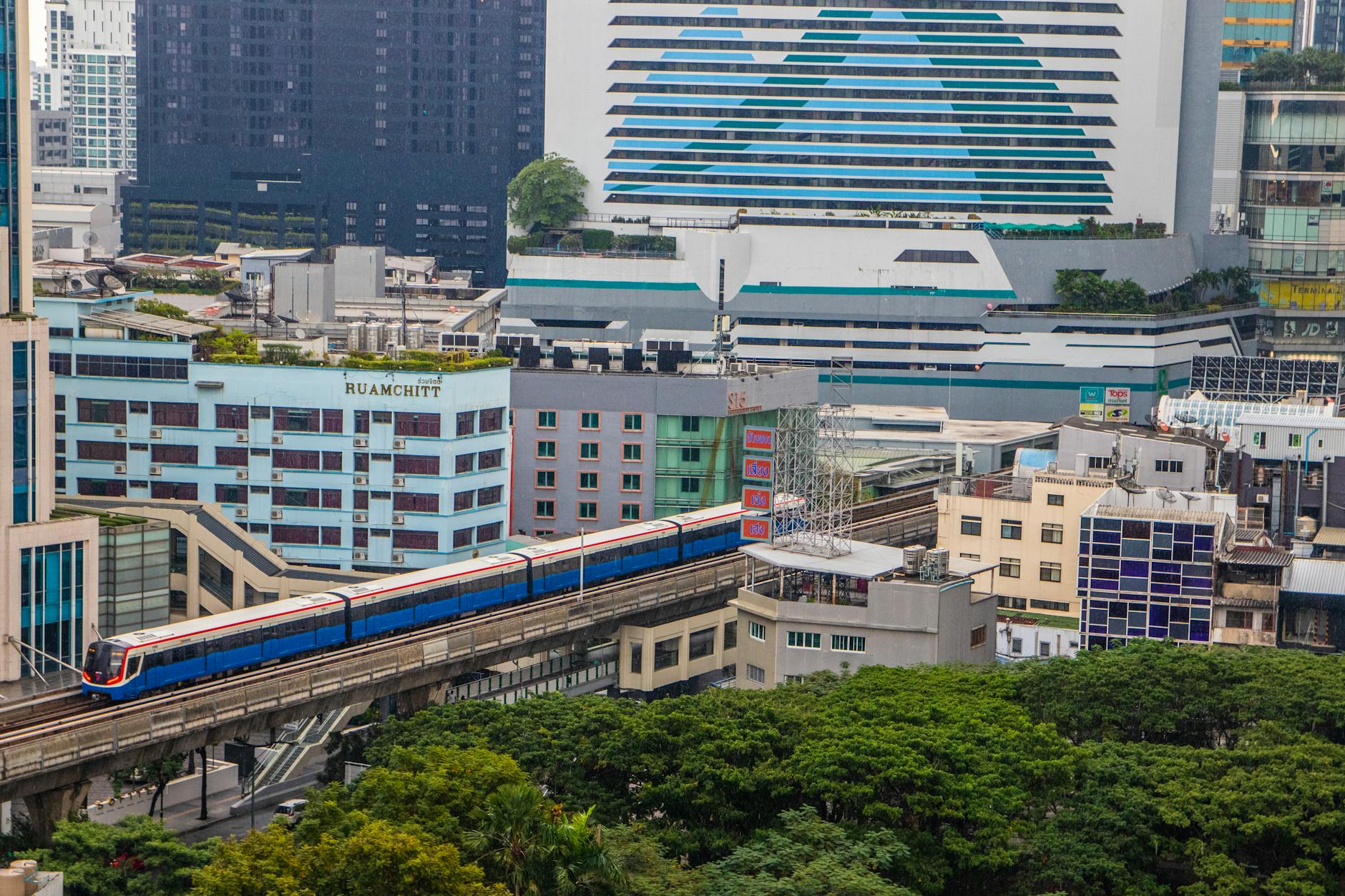
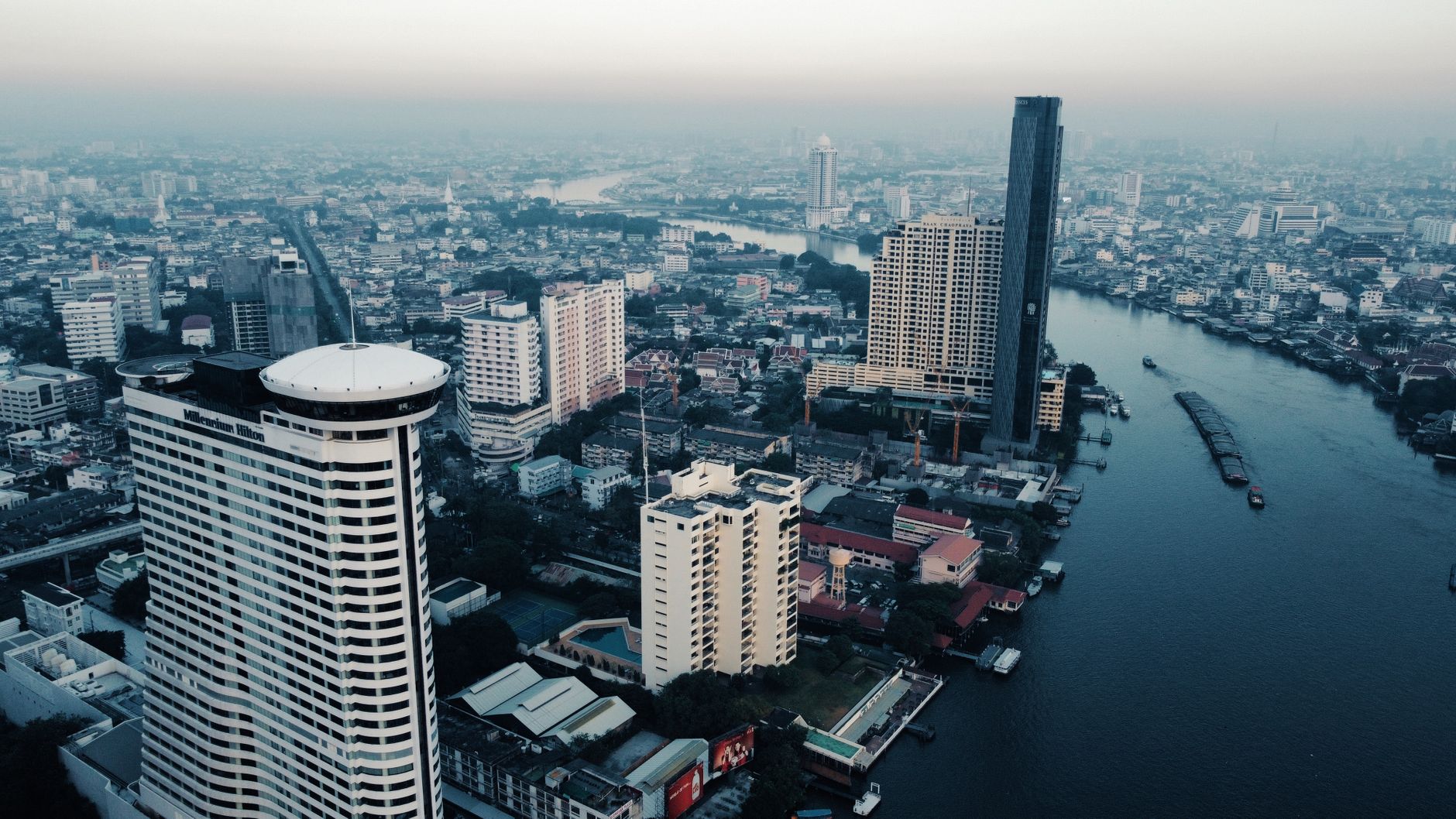
In Thailand the factor is the southern islands. A room that costs $25 USD per night in Chiang Mai easily reaches $80 USD in Koh Tao in the same category. According to our estimates, a Profile A traveler doing Bangkok (three nights), Chiang Mai (four nights) and Koh Phi Phi (three nights) ends up close to $480 USD total, not $340. If your budget is tight, extend your stay in the north.
Ferries and diving activities also inflate expenses. Northern Thailand, on the other hand, lets you eat at markets for less than $4 USD and sleep comfortably without sacrificing safety or cleanliness.
In Vietnam the big hit is usually the Ha Long Bay tour. Basic two-day cruises start at $120 USD. Most Profile B travelers choose the $180-250 USD range because it gives good quality without going overboard. That expense defines the rest of the trip, so book it first.
It's not worth lowering quality there if the bay is on your list. A bad boat can ruin your impression of the entire country. Book with operators that include kayaks and small groups.
In Bali everything depends on the area. Seminyak and Canggu are expensive. Ubud and the north — Munduk, Lovina — lower accommodation costs by 40% to 60% while maintaining quality. According to our estimates, moving from the touristy south to the center significantly reduces daily expenses without sacrificing attractions.
Many stay only in the south for the beaches and overpay. With a shared driver or motorbike, the center and north offer empty temples at sunrise and rice fields that justify the entire trip.
Internal transport: the analysis nobody does
In ten days, internal transport represents between 10% and 20% of your budget. It deserves its own review.
Thailand has the best network for independent travelers: comfortable night trains, VIP buses and low-cost flights. According to our estimates, a Bangkok-Chiang Mai flight costs between $35 and $60 USD. The night train in first class costs $25-35 USD and also saves you a hotel night.
Vietnam depends on trains for long distances, but with only ten days you almost always need at least one domestic flight. The Hanoi-Ho Chi Minh train journey takes thirty-three hours. According to our estimates, flights with VietJet or Bamboo Airways cost between $30 and $70 USD per segment in medium season. The night train is viable if you use it to save on accommodation.
Bali is another world. There are no trains or reliable intercity buses for tourists. You have Grab for short distances, rented motorbike — the cheapest option, but with risks — or private driver for $40-60 USD per day. According to our estimates, if you're traveling with someone and split the driver cost, the number becomes reasonable.
The motorbike gives you total freedom in Bali, but check your medical insurance first. A minor accident can cost you more than all transfers combined. The private driver, although it seems expensive, works well when you travel as a couple or with friends.
Three verdicts by profile
If you're Profile A (tight budget):
Vietnam comes out slightly ahead. The difference with Thailand is only $15 USD, but it offers more cultural and geographical contrast. The key is planning transfers in advance. Use the night train whenever you can: it's safe, cheap and saves you a night's accommodation.
Bali isn't ideal for this profile. Without a motorbike, transfer costs rise quickly and budget areas are far from main points. You'd end up spending more than calculated just getting around. Choose Vietnam if you want variety or northern Thailand if you prefer staying longer in one place.
If you're Profile B (mid-range):
Thailand wins for versatility. With $850 USD you build a complete trip: city, nature, food and culture. The tourism infrastructure makes every dollar go further. Vietnam is very close — $835 USD — and wins if you have Ha Long Bay and Hoi An clearly on your list.
Bali at this level already exceeds $1,000 USD and the experience doesn't justify the difference, unless you're looking for yoga, surfing or a specific event. Tourist areas also tend to be more crowded, which reduces tranquility.
If you're Profile C (comfort):
Bali makes more sense. A villa with private pool that in other Asian countries would cost $300-400 USD per night can be found here between $150 and $250 USD. According to our estimates, the quality-price ratio in resorts and villas is hard to match. Thailand is still excellent if you're looking for luxury in Koh Samui or Chiang Mai. Luxury Vietnam exists, but the offer is more limited.
In Bali the atmosphere lends itself to real disconnection: spas, private chefs and views worth the money. It's the option that best converts a high budget into memorable experience without feeling like you're overpaying.

What the numbers don't tell you (and that still matters)
Vietnam in ten days is an active trip. If you want to see Hanoi, Ha Long, Hoi An and Ho Chi Minh City, you spend time in transfers. It's enriching if you like moving around and absorbing differences. It's exhausting if what you were looking for was disconnection.
Thailand allows you to stay more days in one place without feeling like you're missing something. Four nights in Chiang Mai or on an island feel complete. You have time for temples, night markets and even a couple of cooking classes without rushing.
Bali in ten days rewards depth. Two or three areas are enough for cooking classes, yoga, sunrise temples and rice fields. It's not a destination for those who want to cover many kilometers. The magic is in going slow and connecting with the place.
Each destination has its natural rhythm. Forcing Vietnam to be relaxed or Bali to be constant adventure generates frustration. The numbers give you the framework, but your personality and energy define the final match.
Before deciding: three concrete questions
Answer before buying your ticket:
1. How many days are you willing to invest in internal transfers? Zero days: Bali. One or two: Thailand. If you can enjoy the journey: Vietnam.
2. What's your real budget including the flight from Latin America? If you already spent $1,000 USD on the round-trip ticket, your destination profile drops one level.
3. Is there any attraction that's irreplaceable for you? Ha Long has no equivalent. The terraced rice fields of Ubud are unique. If any is on your list, the destination is almost decided. You just need to adjust the numbers.
If you want to review the numbers for your specific itinerary together — with your real budget, your dates and your priorities — talk to Osi on Telegram and we'll help you build the plan with calculations for your route, not those of an average traveler.
The best trip isn't the most expensive or the cheapest — it's the best reasoned.
Sources
- Accommodation and food averages: Booking.com, Agoda and Numbeo Cost of Living Index (data updated to May 2026)
- Air and land transport rates: AirAsia, VietJet Air, Bamboo Airways, Vietnam Railways and 12Go.asia platform (medium season 2025-2026)
- Visa requirements: official immigration sites of Vietnam, Thailand and Indonesia (consulted May 2026)
- Tours and activities estimates: Ha Long cruises verified with local operators and traveler reports in Telegram groups 2025-2026
Note about the data: all costs in this article are estimates based on market averages for 2025-2026 and should be used as planning reference, not as guaranteed prices. Visa, domestic flight and accommodation prices vary by season, advance booking and availability. Verify visa requirements directly on official immigration sites of each country before traveling.