
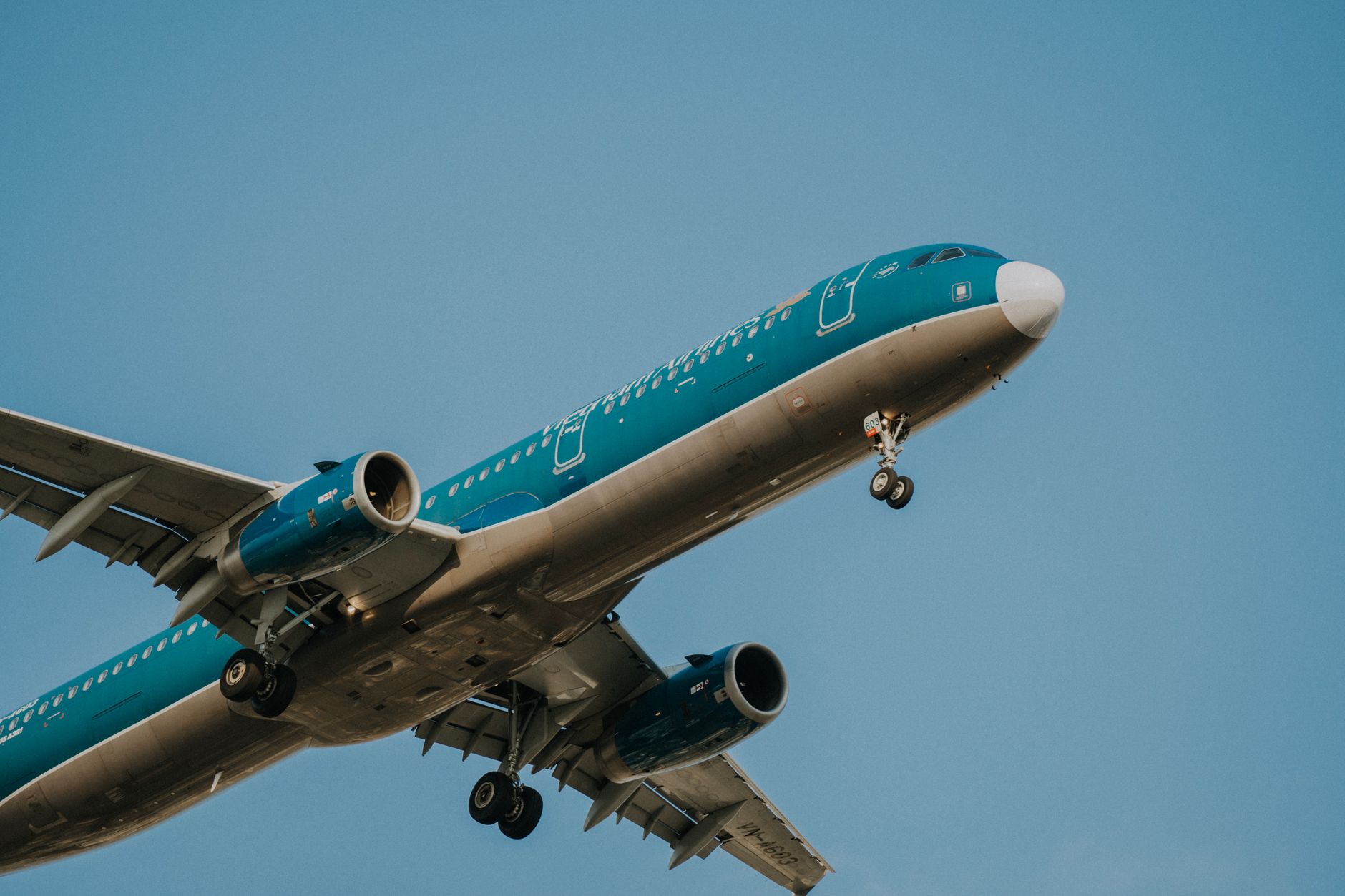
Vietnam is one of the cheapest destinations in Asia once you land. A bowl of pho costs less than two dollars. A decent room runs fifteen to twenty-five. And you can cross the country by train or bus for less than an Uber ride during rush hour in Mexico City.
Vietnam has never been the problem. Getting there is.
From LATAM there are no direct flights, there's always a layover, and the round-trip ticket can easily eat up seventy to eighty percent of the total budget for a twelve-day trip. The rest of the itinerary, on the other hand, is surprisingly affordable. This guide is built for someone flying out of Mexico City, Bogota, Lima, or Santiago — not Los Angeles, and definitely not Europe.
We put together a realistic north-to-south route, broke down each cost category with updated market numbers, and show you exactly where it's worth tightening the belt and where it isn't. The data comes from real quotes, booking averages, and on-the-ground experience through 2025 and into 2026.
The Route: 12 Days, Three Cities, One Country From Top to Bottom
🔗 Recommended · Airalo eSIMThe most logical route for a first trip avoids backtracking and takes advantage of cheap domestic flights. The itinerary we used looks like this:
- Days one to four: Hanoi (two nights) + Ha Long Bay (one night on a cruise or a full-day tour)
- Days five to eight: Hoi An (four nights), arriving via Da Nang
- Days nine to twelve: Ho Chi Minh City (three nights) + Mekong Delta (one- or two-day tour)
This sequence flows north to south and lets you see all three faces of the country without wasting time on long transfers. The four days in Hoi An give you room to breathe, get clothes tailored, and bike through the rice paddies without rushing.
A lot of people underestimate how different each region feels. Hanoi hits you with the cultural shock of the north, with its organized chaos and one-of-a-kind food. Hoi An lets you slow down and soak in the colonial atmosphere. Ho Chi Minh City is the modern pulse of the south, with its energy and the contrast of the delta nearby. Traveling in this order gives you a complete picture without feeling like you're running from one place to the next.
If you need to trim days, cut one from Ho Chi Minh before you cut one from Hoi An. Most travelers end up wishing they'd stayed longer in the ancient town, because that's where the pace just feels right.
The International Flight: The Variable Nobody Breaks Down Properly
Here's the part that almost every Spanish-language guide avoids stating clearly: for anyone flying from LATAM, the plane ticket is what determines whether the trip is even feasible.
There are no direct flights. Door-to-door travel time runs between twenty-six and thirty-eight hours, depending on your city of origin and layovers. The most common routes connect through the United States (Dallas, Los Angeles, San Francisco), the Middle East (Istanbul, Doha, Dubai), or Asian hubs (Seoul, Tokyo, Taipei).
These are the real market ranges for round-trip flights in shoulder season (February-June and September-November), booked three to four months ahead, based on our estimates from 2025-2026 fare behavior:
| Origin | Estimated round-trip flight (USD) | Typical layovers | Approx. total duration |
|---|---|---|---|
| Mexico City | 950 - 1,300 | 1-2 | 26-32 hours |
| Bogota | 1,100 - 1,500 | 2 | 28-34 hours |
| Lima | 1,150 - 1,550 | 2 | 30-36 hours |
| Santiago | 1,300 - 1,700 | 2 | 32-38 hours |
The further south you fly from, the more expensive and longer the trip gets. Someone flying from Santiago easily pays double what someone flying from Miami would. Geography and lack of competition explain the gap.
The real key to saving money is planning ahead and staying flexible. Booking with less than six weeks' notice usually adds between 350 and 550 dollars to the ticket. Turkish Airlines, Qatar, and Emirates offer the best combinations when you line up your dates midweek. Avoid Tet (Lunar New Year) at all costs — prices multiply.
Use Google Flights with the calendar view and set up price alerts. Tuesdays and Wednesdays tend to have the lowest fares. Also consider a long layover in Istanbul or Doha: some airlines throw in a free hotel and it breaks the trip into two more manageable chunks. That decision alone can be the difference between arriving wrecked and arriving in one piece.
Domestic Flights: Hanoi - Da Nang - Ho Chi Minh City
Connecting the three regions is easy and cheap. The two key routes are Hanoi-Da Nang and Da Nang-Ho Chi Minh City.
Based on our current market estimates, booking three to six weeks ahead:
- Hanoi-Da Nang: 35-65 USD
- Da Nang-Ho Chi Minh City: 25-55 USD
VietJet Air usually has the lowest fares, though Vietnam Airlines offers better punctuality and less chance of last-minute changes. Buy directly on their websites or through platforms like 12Go. Avoid buying at the airport — prices spike.
Always check the baggage rules before confirming. VietJet charges for almost everything if you don't prepay for it. Vietnam Airlines includes twenty-three kilos of checked baggage and is more relaxed overall. Pick your flight time with your day in mind: flights departing before 7 a.m. tend to be on time, but they force you to get up early.

Accommodation: Where Vietnam Really Pays You Back
This is where the country gives you back a good chunk of what you spent on the flight. A well-located three-star hotel in Hanoi's Old Quarter or central Hoi An runs between 22 and 35 dollars a night for a double room, based on our estimates.
In Ho Chi Minh City, prices are similar or slightly lower outside the premium District 1 area. For eleven nights in mid-range accommodation, sharing a double room, the total per person lands around 130 to 190 dollars, depending on how many nights you spend in Hoi An, which is the priciest of the three areas.
Traveling as a couple or with friends brings the per-person cost down even further. The boutique options in Hoi An — restored old houses — offer excellent value between 45 and 70 dollars a night.
Always look for properties rated above 8.5. The difference between a 7.8 and a 9.0 in Vietnam is huge in terms of cleanliness, location, and service. In Hanoi, stay in the Old Quarter, but avoid the noisier streets near Hoan Kiem Lake if you want to sleep well. In Hoi An, stay within walking distance of the center. In Ho Chi Minh City, areas like Bui Vien are cheap but noisy; it's worth looking for something a bit more tucked away in District 1.
Breakfast included matters. Almost every good hotel offers it, and it's usually a full meal that takes some pressure off your daily budget.
Food: The Best Argument in Vietnam's Favor
Food is the strongest point of this trip. A big bowl of street pho costs between 1.50 and 2.50 dollars. A fresh banh mi runs under 1.20. A sit-down dinner at a local restaurant with a cold beer rarely tops 6-8 dollars per person.
A realistic and comfortable budget of 14 to 19 dollars a day per person lets you eat very well, mixing street stalls, Vietnamese cafés, and the occasional air-conditioned restaurant. Over twelve days that comes out to between 170 and 230 dollars per person, based on our estimates from prices observed consistently across all three cities.
Don't skip egg coffee (ca phe trung) or the bun cha stalls in Hanoi — that's the real experience. In Hoi An, try cao lau and white rose dumplings. In Ho Chi Minh City, go for banh xeo and fresh spring rolls from the night markets.
Street food isn't just cheap. In most cases it's tastier than what you'll find at tourist restaurants. Pick spots with high local turnover — if you see a lot of Vietnamese people eating there, that's a good sign. Avoid places with big photo menus and English prices aimed squarely at tourists; prices there run about forty percent higher and the quality drops.
Local Transport and Activities: Ha Long, Hoi An, and the Mekong
The biggest expense in this category is the one-night Ha Long Bay cruise. Based on our estimates, a decent all-inclusive one-night cruise (transport from Hanoi, meals, kayaking) runs between 140 and 220 dollars per person in shoulder season.
In Hoi An you barely spend anything on transport: the old town is easily covered on foot or by bike, for two to three dollars a day. The tailor shops are the real optional expense if you decide to get custom clothing made. A well-made shirt or dress can run between 40 and 80 dollars if you pick a shop with a good reputation.
The one-day Mekong Delta tour costs between 25 and 45 dollars. The two-day version with a homestay night runs 55-85. Both are worth it, but the one-day option already gives you a solid taste of river life if you're short on time.
Local transport (Grab, taxis, buses) for the whole trip rarely tops 45-65 dollars per person if you use the app. Download Grab before you land — it's more reliable than traditional taxis and almost always cheaper.
For Ha Long, research the operator carefully. The difference between a 140-dollar cruise and a 210-dollar one is huge in terms of boat quality, food, and crowd size. Read reviews from the last two weeks. Smaller boats (under twenty cabins) usually give a calmer experience.
The Full Breakdown: What Each Thing Weighs
This is the table that matters. Here's how the real budget breaks down for someone flying from LATAM:
| Item | Estimated range (USD, per person) | % of approx. total budget |
|---|---|---|
| International flight (round trip) | 950 - 1,700 | 68-79% |
| Domestic flights (2 legs) | 60 - 120 | 4-6% |
| Accommodation (11 nights, mid-range) | 130 - 190 | 9-11% |
| Food (12 days) | 170 - 230 | 10-13% |
| Activities (Ha Long, Mekong, entrance fees) | 190 - 310 | 11-14% |
| Local transport and miscellaneous | 45 - 70 | 3-4% |
Full estimated total (flight + ground costs): 1,550 to 2,650 dollars per person, depending on your city of origin and comfort level. The flight is still king.
Ground costs stay fairly stable even if you bump up your comfort level a bit. Accommodation and food don't shoot up as fast as they do in other countries in the region. That's where Vietnam really shines.

Comparison With Other Destinations in the Region
Compared to Thailand, Vietnam offers better value for food and lodging outside the most touristy areas. That said, flights from LATAM to Bangkok and to Ho Chi Minh City cost about the same, so the choice between the two should come down to the kind of experience you're after and the rainy season timing, not the ticket price.
In Thailand, an equivalent street meal costs between 2.5 and 4 dollars and a three-star hotel runs around 30-45 USD a night. Local transport is also a bit pricier. Bali is on another level entirely: a decent room easily runs over 55-90 USD, and private taxis or transfers add up fast. Vietnam remains the most efficient option of the three for mid-range budgets: it gives you cultural variety, exceptional food, and stunning scenery without draining your account as quickly.
Three Real Scenarios Based on Your Style
Tight-budget backpacker: low-fare flights, hostels, food ninety percent from the street, a day tour in Ha Long instead of a cruise. Ground budget: 580-720 dollars. Total from Mexico City: 1,530-2,020 dollars.
Standard traveler: three-star hotels, a balanced mix of dining options, one-night Ha Long cruise, and a private Mekong tour. Ground budget: 880-1,120 dollars. Total from Bogota: 1,980-2,620 dollars.
Comfort traveler: boutique hotels, private tours, not watching prices at restaurants. Ground budget: 1,450-1,950 dollars. Even at this level, the flight still accounts for more than half of the total spend from any LATAM city.
In all three cases the pattern repeats: most of the money goes out the door before you even arrive. That's why it's worth spending real time optimizing flight routes and dates.
The Verdict
Vietnam is still an excellent destination for anyone traveling from LATAM, but let's be honest: it's not a cheap destination once you factor in the plane ticket. Once you land, though, your money stretches impressively far. The numbers for domestic flights, the Ha Long cruise, and the Mekong tour still have room to be fine-tuned based on your exact dates, and that's exactly where a personalized quote beats a generic average.
The prices you see here are real averages that have stayed stable over recent months. Inflation in Vietnam has been kept in check and tourism has recovered without costs spiking the way they have elsewhere. If your budget is tight, focus your effort on cutting down the international flight, even if it means more layovers or awkward schedules. Once you're on the ground, smart choices let you eat, sleep, and get around very well without any real sacrifice.
Ready to plan your trip? Talk to Osi on Telegram and we'll help you work out the numbers for your route.
The best trip isn't the most expensive one or the cheapest one — it's the best reasoned one.
Sources
- International and domestic flights: Google Flights, Skyscanner, official Vietnam Airlines, VietJet Air, Turkish Airlines, and Qatar Airways websites (data observed 2025-2026)
- Accommodation: Booking.com and Agoda (real booking averages across the three cities)
- Food, transport, and activities: Numbeo, Tripadvisor (recent reviews), GetYourGuide, and verified local operators
- General itinerary and cost information: Vietnam National Tourism Administration and updated 2026 guides