

A Madrid-Seville AVE ticket can cost you thirty euros or ninety euros. The train is exactly the same. The seat is the same. The departure time can be the same. The entire difference comes down to a single factor almost nobody checks before booking: how many days in advance you bought the ticket. Multiply that by two routes and by the number of people traveling with you, and you have the difference between a tight budget and one that spirals out of control.
Spain in ten days with Madrid as your base and side trips to Seville and Barcelona is one of the most efficient routes in Europe. The AVE connects the three cities with no layovers or domestic flights, but efficient doesn't mean it plans itself. Here's the concrete math on when to buy your tickets, how much Barcelona's tourist tax will add depending on your hotel category, and three real per-person budgets flying from Mexico City with airfare included. Numbers you can compare against your own travel style.
Why Madrid, Seville and Barcelona in that order
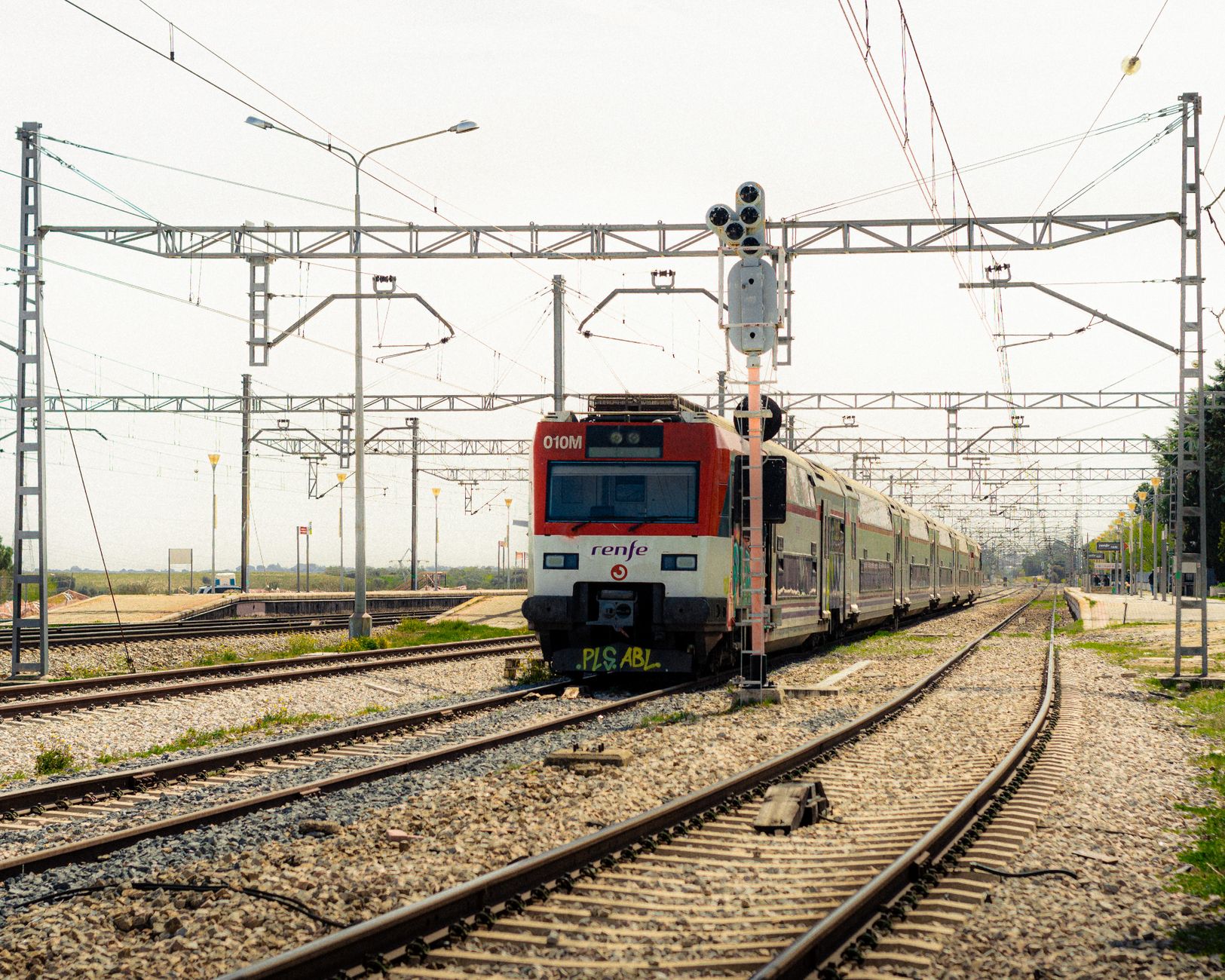
🔗 Recommended · TiqetsThe logic behind this route is geographic and rail-based. Madrid is the center of the AVE network: most high-speed trains to the south and northeast depart from there. Seville was the first city connected by AVE back in 1992, and the route remains one of the fastest and most reliable. Barcelona, meanwhile, has its own independent line heading northeast.
This layout gives you two ways to build the trip. You can fly into Madrid, head down to Seville, come back to the capital, and then go up to Barcelona. Or you can fly in to Madrid and out from Barcelona on an open-jaw ticket. The second option eliminates the return trip to Madrid and saves you two to three hours of train travel. If your airline allows it, that's the smarter version.
A reasonable ten-day itinerary looks like this: three or four days in Madrid, two or three in Seville, and three or four in Barcelona. Enough to see the essentials without dead days or feeling rushed. Madrid gives you museums and neighborhood life. Seville packs history and Andalusian atmosphere into short distances. Barcelona combines modernist architecture with a seaside stroll.
The AVE booking window: the decision that saves you the most money on the whole trip
Renfe opens AVE ticket sales between sixty and ninety-one days before your travel date. I'd suggest going directly to renfe.com and confirming the exact window, since it can shift slightly depending on promotions or peak season.
Within that window, the price changes dramatically. The same seat you find at Básico fare on the first available day can cost double if you buy with less than two weeks' notice, because the cheap seats sell out fast and only the Premium fare is left.
Fares are split into Básico, Elige, and Prémium, each with a different level of flexibility for changes and refunds. The recommendation is specific: as soon as you have your dates, calculate the exact day sales open (ninety-one days before) and set an alarm. This isn't generic advice. It's a calculable date you can mark on your calendar.
For two people and two routes (Madrid-Seville and Madrid-Barcelona), the difference between buying on day one and buying late can represent nearly half the total cost of internal transportation. We've seen the same pattern on routes like Vienna-Prague-Budapest, but in Spain it's even more predictable because Renfe's window is consistent.

Barcelona's tourist tax by hotel category: what's going up in 2026-2027
This is one of the expenses that ruins budgets the most because people treat it as a flat number. It isn't. Barcelona charges the Catalan tourist tax plus a municipal surcharge. Both are calculated per person and per night, and the amount changes depending on your accommodation category: one or two stars, three stars, four or five stars, or tourist apartment.
The confirmed trend for 2026-2027 is an increase, especially steep in the four- and five-star category. Budget options go up less. Since the final figures are published each year by the Barcelona City Council, the only exact way to know is to check barcelona.cat or your booking confirmation; the amount gets added automatically when you pay.
If you're staying four nights in Barcelona as two people in a high-category hotel, this tax can add up to an amount worth budgeting separately. If you're looking to trim costs, dropping a category not only makes the room cheaper but also this nightly surcharge.
How much it costs to move between the three cities
With the booking window clear, the transportation skeleton looks like this:
| Route | Approximate duration | Price range with early booking (60-91 days) | Price range with late booking |
|---|---|---|---|
| Madrid - Seville (AVE) | Approximately 2h30 | Básico fare, the cheapest available | Can double or more at Prémium fare |
| Madrid - Barcelona (AVE) | Approximately 2h30-3h | Básico fare, the cheapest available | Can double or more at Prémium fare |
Exact amounts vary by date, day of the week, and demand. Go to renfe.com and compare buying today (if you're within the window) against waiting. The pattern holds: buying early within the window always wins.
If your flight lets you depart from Barcelona, you eliminate the return trip to Madrid. That extra day gained is usually worth more than any small difference in the international ticket price.
Budget itinerary: the traveler who optimizes every euro
This profile buys the flight well in advance, stays in hostels or two-star hotels, books the AVE at Básico fare on the first possible day, and eats at markets, tapas bars, and set-menu lunches.
- Flight CDMX-Madrid / Barcelona-CDMX (open-jaw), economy class: based on our estimates, between 700 and 950 USD per person, depending on season
- Accommodation (hostel/2-star), 10 nights: based on our estimates, between 25 and 35 USD per night, approximate total 250-350 USD
- AVE Madrid-Seville and Madrid-Barcelona, Básico fare bought in advance: approximately 60-90 USD per route depending on actual date, check directly on renfe.com
- Daily food (markets, set-menu lunches, budget bars): based on our estimates, 25-30 USD per day
- Barcelona tourist tax (budget category): low amount per night, check directly before booking
- Local transportation (metro in Madrid, Seville, Barcelona): approximately 5-8 USD daily on cards or multi-trip tickets
- Attractions and admissions (Alcazar of Seville, Sagrada Familia, Prado Museum during discount hours): based on our estimates, 15-25 USD daily on average
Approximate total per person: between 1,400 and 1,800 USD, based on our estimates, considering verifiable transportation ranges and food and accommodation estimates.
Mid-range budget: comfort without excess
This profile flies economy but with better schedules, stays in well-located three- or four-star hotels, buys Elige fare on the AVE within the window, and mixes mid-range restaurants with a memorable dining experience per city.
- Flight CDMX-Madrid / Barcelona-CDMX, economy with better schedule: based on our estimates, between 950 and 1,300 USD per person
- Accommodation (3-4 star hotel), 10 nights: based on our estimates, between 70 and 110 USD per night, approximate total 700-1,100 USD
- AVE Madrid-Seville and Madrid-Barcelona, Elige fare: approximately 90-130 USD per route, check directly on renfe.com depending on date
- Daily food (mid-range restaurants, one standout dinner): based on our estimates, 45-60 USD per day
- Barcelona tourist tax (3-4 star category): mid-range amount per night, check directly before booking
- Local transportation and the occasional taxi/Uber: approximately 10-15 USD daily
- Attractions, occasional guided tours (guided experiences at the Alcazar, tapas tour in Seville, priority access to Sagrada Familia): based on our estimates, 35-50 USD daily on average
Approximate total per person: between 2,600 and 3,400 USD, based on our estimates.
Luxury budget: the route without restrictions
This profile flies premium economy or business when the fare justifies it, stays in five-star or boutique hotels, travels on Prémium AVE fare, and prioritizes high-end dining, including possible Michelin-starred restaurants.
- Flight CDMX-Madrid / Barcelona-CDMX, premium economy or business: based on our estimates, between 2,200 and 4,000 USD per person, depending on airline and availability
- Accommodation (5-star hotel / luxury boutique), 10 nights: based on our estimates, between 250 and 450 USD per night, approximate total 2,500-4,500 USD
- AVE Madrid-Seville and Madrid-Barcelona, Prémium fare: approximately 150-200 USD per route, check directly on renfe.com
- Daily food (fine dining, a possible Michelin experience): based on our estimates, 120-180 USD per day
- Barcelona tourist tax (4-5 star category, the highest surcharge): elevated amount per night, check directly before booking, since this category sees the biggest increase in 2026-2027
- Private transportation (transfers, occasional driver): approximately 40-60 USD daily
- Premium experiences (private tours, VIP admissions, exclusive tastings): based on our estimates, 80-120 USD daily on average
Approximate total per person: between 6,500 and 9,500 USD, based on our estimates.
Comparing the three budgets
| Category | Budget | Mid-range | Luxury |
|---|---|---|---|
| Approximate total per person | 1,400-1,800 USD | 2,600-3,400 USD | 6,500-9,500 USD |
| AVE per route (bought on time) | Básico fare | Elige fare | Prémium fare |
| Accommodation per night | 25-35 USD | 70-110 USD | 250-450 USD |
| Barcelona tourist tax | Low category | Mid category | High category (biggest increase 2026-2027) |
The difference between budget and mid-range is almost double. The jump from mid-range to luxury is almost triple. That tells you something clear: the biggest cost multiplier on this route isn't the AVE or the tourist tax, it's the hotel category and the type of international flight. The AVE, bought within the right window, remains the most controllable expense of the three.
If I compare value against cost, the mid-range budget is the one that converts every dollar into real experience the best. With 2,600-3,400 USD per person you get well-located hotels that save you time, the flexibility of the Elige fare that protects you if you need to change dates, and room for at least one memorable meal per city without it feeling forced.
The budget option is entirely viable, but it demands iron discipline to book the AVE exactly on the day sales open, since the Básico fare penalizes changes. The luxury option makes sense when the hotel and the table are a central part of the trip, not just a means of getting between cities.
The best trip isn't the most expensive or the cheapest — it's the best reasoned one.