
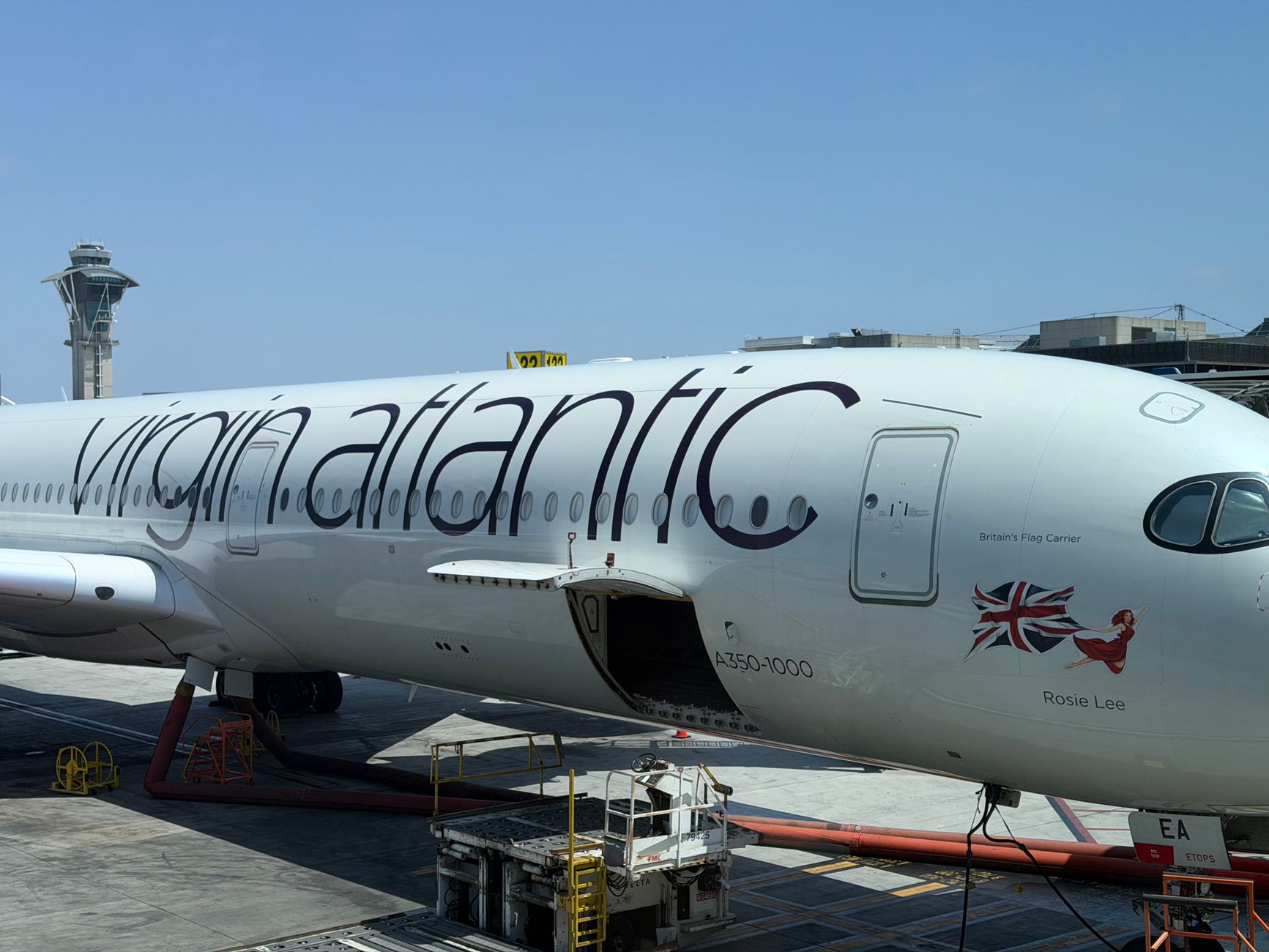
Watching the World Cup in a single city is the safe choice. But if you're already crossing the continent, adding one or two more host cities can cost less than you'd expect — or blow your budget entirely if you don't run the numbers ahead of time. The real difference comes down to the route you pick and how you move between cities.
This article looks at three specific multi-city routes: the West Route (Los Angeles, San Francisco, Seattle), the East Route (Miami, Atlanta, New York), and the Mixed Route (Mexico City, Houston, Dallas). For each one, we compare transportation options with explicit calculations and deliver total budgets broken down by traveler profile. No vague ranges.
One heads-up before we dive in: the official 2026 World Cup match schedule hasn't been published as of this writing. Before you buy any tickets or book accommodation, check the exact dates at fifa.com. Everything you'll read here assumes a stay of roughly ten days covering two or three matches per city.
The three routes and why combining them makes sense
🔗 Recommended · AviasalesThe 2026 World Cup is spread across sixteen host cities in three countries. That geographic spread creates natural corridors where traveling between venues makes logical sense in terms of distance and available connections. The three routes we've chosen aren't random — they represent the most common travel patterns for fans coming from Latin America.
West Route: Los Angeles – San Francisco – Seattle. A Pacific coastal corridor with train, bus, and flight options. Manageable distances and well-developed tourist infrastructure. The LA–SF stretch along the coast offers scenery that makes it worth slowing down and enjoying the journey.
East Route: Miami – Atlanta – New York. The longest of the three corridors, with frequent flights and accommodation costs that swing dramatically between cities. New York can triple your hotel bill during the tournament, but it also delivers an energy no other host city can match.
Mixed Route: Mexico City – Houston – Dallas. The only route that crosses an international border, which brings different flight costs and a meaningful price gap between your week in Mexico and your week in the U.S. If you're departing from Mexico, this route anchors a big chunk of your spending at lower local prices.
These three routes minimize eight- or ten-hour transfers between matches. It's not about visiting cities at random — it's about building a logical flow that respects both your time and your budget.
Inter-city transportation: the decision that affects your budget the most
This is the calculation most people skip. Looking at the ticket price alone isn't enough. You need to factor in ground transportation to the airport, time lost in transit, and the real value of that time in terms of experience days you're giving up.
West Route: LA – San Francisco – Seattle
LA to San Francisco (approximately 560 km)
| Mode | Estimated cost (USD) | Total time | Comfort | Best for |
|---|---|---|---|---|
| Budget flight | $60-120 | 4-5 hrs (including airport) | Medium | Anyone prioritizing speed |
| Amtrak Coast Starlight | $60-110 | 9-11 hrs | High | Anyone who enjoys the journey |
| Bus (Flixbus/Greyhound) | $25-55 | 7-8 hrs | Low | Tight budgets |
| Rental car (shared) | $80-130 | 6 hrs | High | Groups of 3-4 people |
A full flight runs around $115 USD once you add the transfer to LAX ($35) and a minimum 2.5 hours at the airport. The train costs roughly the same but lets you sleep on the way and take in the coastline. The Flixbus remains the best value-for-money option if your schedule gives you at least 36 hours between matches.
Bottom line: For LA–SF, Flixbus is the highest-value option if your schedule is flexible. The flight only wins if the match calendar leaves you fewer than 36 hours between cities.
San Francisco to Seattle (approximately 1,300 km)
| Mode | Estimated cost (USD) | Total time | Comfort | Best for |
|---|---|---|---|---|
| Direct flight | $80-180 | 3-4 hrs (including airport) | Medium | Most travelers |
| Amtrak Coast Starlight | $90-160 | 23 hrs | High | The train experience |
| Bus | $45-80 | 18-20 hrs | Low | Not recommended for this leg |
Here, flying wins hands down. Spending 23 hours on a train to save $30–40 USD doesn't make sense when your schedule is already tight around match days. The price difference doesn't justify losing a full day (data from Google Flights and Amtrak, checked June 2026).
Bottom line: On the West Route, fly SF–Seattle and take the bus or train for the LA–SF leg.
East Route: Miami – Atlanta – New York
| Leg | Recommended mode | Estimated cost (USD) | Total time |
|---|---|---|---|
| Miami – Atlanta | Direct flight | $70-150 | 3 hrs (including airport) |
| Miami – Atlanta | Rental car | $90-140 + gas | 10-11 hrs |
| Atlanta – New York | Direct flight | $100-200 | 4 hrs (including airport) |
| Atlanta – New York | Amtrak Crescent | $80-180 | 18 hrs |
The math on the Miami–Atlanta drive is straightforward: $50/day car rental + $40 gas + $15 tolls = $105 USD if you're traveling solo. In a group of four, that drops to $26 USD per person. That $400 USD total saving justifies ten hours on the road — but only if everyone takes turns driving and arrives with enough energy for the match.
Bottom line: Fly all three legs of the East Route if you're traveling solo or as a couple. If you're a group of four with flexible timing, driving Miami–Atlanta can save up to $400 USD total.
Mixed Route: CDMX – Houston – Dallas
This leg is the most complex because of the international border crossing. CDMX–Houston flights range from $150 to $350 USD depending on how far in advance you buy (Google Flights and Kayak, June 2026). Domestic travel within Texas is significantly cheaper.
| Leg | Mode | Estimated cost (USD) | Note |
|---|---|---|---|
| CDMX – Houston | Direct flight | $150-350 | Price varies with how early you book |
| Houston – Dallas | Flight | $60-120 | 1 hr flight |
| Houston – Dallas | Rental car | $50-80 + gas | 4 hrs, a solid option |
| Houston – Dallas | Bus (Greyhound) | $25-45 | 4.5 hrs |
For Houston–Dallas, the Greyhound bus is the best option: $35 USD and 4.5 hours door to door. The flight ends up costing more and taking longer in total once you factor in airports.
Bottom line: On the Mixed Route, your real transportation spend is the international CDMX–Houston flight. Domestic travel within the U.S. on this route is the cheapest of all three if you use the bus or a shared car.
Line-by-line budget: the West Route as a baseline
We're using the West Route because it has the most stable data and attracts a high volume of Latin American travelers. All figures are adjusted to prices observed for the 2026 World Cup period.
Backpacker Profile (tight budget)
Accommodation:
- Los Angeles: 4 nights × $45 USD/night (hostel) = $180 USD
- San Francisco: 3 nights × $55 USD/night (hostel) = $165 USD
- Seattle: 3 nights × $50 USD/night (hostel) = $150 USD
- Accommodation subtotal: $495 USD
Inter-city transportation:
- LA to SF (Flixbus): $40 USD
- SF to Seattle (budget flight): $100 USD
- Inter-city transportation subtotal: $140 USD
Local transportation: $18 USD/day × 10 days = $180 USD
Food: $35 USD/day × 10 days = $350 USD
Contingency (10% of total): $117 USD
Backpacker Total – West Route: $1,282 USD — not including your inbound flight from your home city or match tickets.
Standard Profile (moderate budget traveler)
Accommodation:
- Los Angeles: 4 nights × $130 USD/night (3-star hotel) = $520 USD
- San Francisco: 3 nights × $150 USD/night = $450 USD
- Seattle: 3 nights × $120 USD/night = $360 USD
- Accommodation subtotal: $1,330 USD
Inter-city transportation: $220 USD
Local transportation: $25 USD/day × 10 days = $250 USD
Food: $55 USD/day × 10 days = $550 USD
Contingency (10%): $235 USD
Standard Profile Total – West Route: $2,585 USD
Premium Profile
Accommodation: $2,770 USD
Inter-city transportation: $350 USD
Local transportation: $600 USD
Food: $1,000 USD
Contingency (10%): $472 USD
Premium Profile Total – West Route: $5,192 USD
None of these totals include match tickets or your international flight from your home city.
Quick comparison of all three routes by profile
| Route | Backpacker | Standard | Premium |
|---|---|---|---|
| West Route (LA–SF–Seattle) | ~$1,282 USD | ~$2,585 USD | ~$5,192 USD |
| East Route (Miami–Atlanta–NY) | ~$1,450 USD | ~$2,950 USD | ~$6,100 USD |
| Mixed Route (CDMX–Houston–Dallas) | ~$920 USD | ~$2,150 USD | ~$4,550 USD |
The East Route runs higher because of the New York effect. The Mixed Route comes in lower because a week in Mexico City significantly cuts accommodation and food costs. The West Route offers the best balance between experience and cost for most traveler profiles.

When to book each piece
The order matters as much as the price. First, confirm the schedule at fifa.com once it's published. Then buy your match tickets. After that, book accommodation — and finally, inter-city transportation.
San Francisco and Seattle fill up faster than Los Angeles or Miami. Booking accommodation with free cancellation makes sense right now, even if you don't have your exact match dates yet. Domestic flights within the U.S. typically spike six to eight weeks before the event. The sweet spot for buying them is three to four months out.
Which route to choose based on your profile
If you're traveling from Mexico on a tight budget, the Mixed Route CDMX–Houston–Dallas is the most efficient. You start at home, the international flight is your big spend, and getting around Texas is cheap by bus or shared car.
If you're traveling in a group of four or more with flexible timing, the East Route with a rental car between Miami and Atlanta can save you $300–400 USD on transportation and turns the transfer into part of the experience.
If you're prioritizing the overall experience and have ten to fourteen days, the West Route delivers the best combination of enjoyable transfers, scenery, and cities with genuinely distinct personalities. The LA–SF train leg is genuinely worth it.
The best trip isn't the most expensive or the cheapest — it's the best reasoned.
Ready to plan your World Cup route with real numbers for your specific situation? Chat with Osi on Telegram and we'll build a personalized budget based on your dates, home city, and traveler profile.
Sources
- FIFA — Official host city, schedule, and ticketing information: fifa.com
- Amtrak — Coast Starlight and Crescent routes and pricing: amtrak.com
- Flixbus — California and Texas routes and pricing: flixbus.com
- Google Flights — Domestic and international flight prices, June 2026: flights.google.com
- Kayak — CDMX–Houston flight comparisons and accommodation: kayak.com
- Greyhound — Bus prices in Texas: greyhound.com