
"Don't go, it's super dangerous" is the comment anyone gets when they mention plans to travel to Colombia, Mexico, South Africa, Morocco, or Egypt. It's almost always said by someone who hasn't been there in the last five years. It comes from an old news story, a movie, or the classic brother-in-law who "heard it somewhere."
The reality is more boring and much more useful. These five countries have zones with real, documented risk, but they also have areas where you can walk around as calmly as in any European city. The difference is usually just a few kilometers.
The right question is never "is this country safe?" That one has no useful answer. The question that actually helps is: which specific zone, in which season, and with what kind of traveler profile?
Here we break it down destination by destination. We separate what official government advisories say, what travelers who were there recently report, and which precautions actually have real logic behind them. No paranoia. Just smart risk management.
Why "it depends on the zone" isn't a vague answer
🔗 Recommended · EKTA InsuranceSaying "it depends" sounds like a dodge until you look at the numbers and the maps. Risk isn't national: it shifts based on three concrete variables.
The first is the zone. Three kilometers can separate a tourist neighborhood with police and cameras from an area with drug trafficking disputes. Mexico City (Roma, Condesa, Polanco) and Culiacán don't share the same security reality, even though they share a passport.
The second is the season. South Africa at Christmas has more tourists, more surveillance, and more available transport. A random winter weekend in certain areas can look very different. The same goes for elections or massive festivals that overload infrastructure.
The third variable is your profile. A solo traveler at night with visible camera gear has very different exposure than a group of four moving by taxi during the day. This isn't about blaming the victim: it's about understanding that specific decisions measurably reduce risk.
With these three variables clear, let's go country by country.
Morocco: medinas vs. periphery
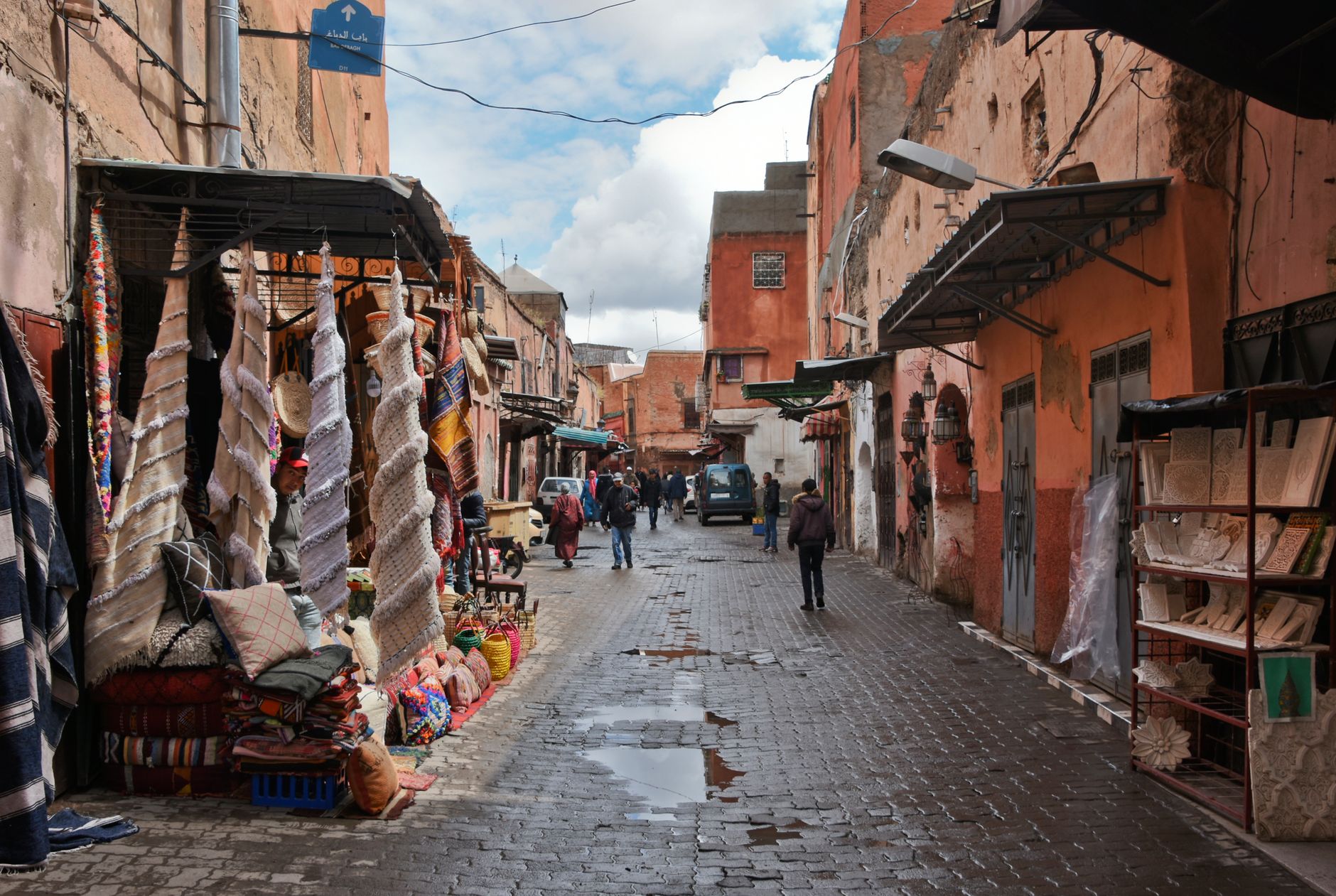
The most common complaint about Morocco isn't violence. It's pickpocketing and minor scams in the medinas of Marrakech and Fez: annoyances, not serious threats.
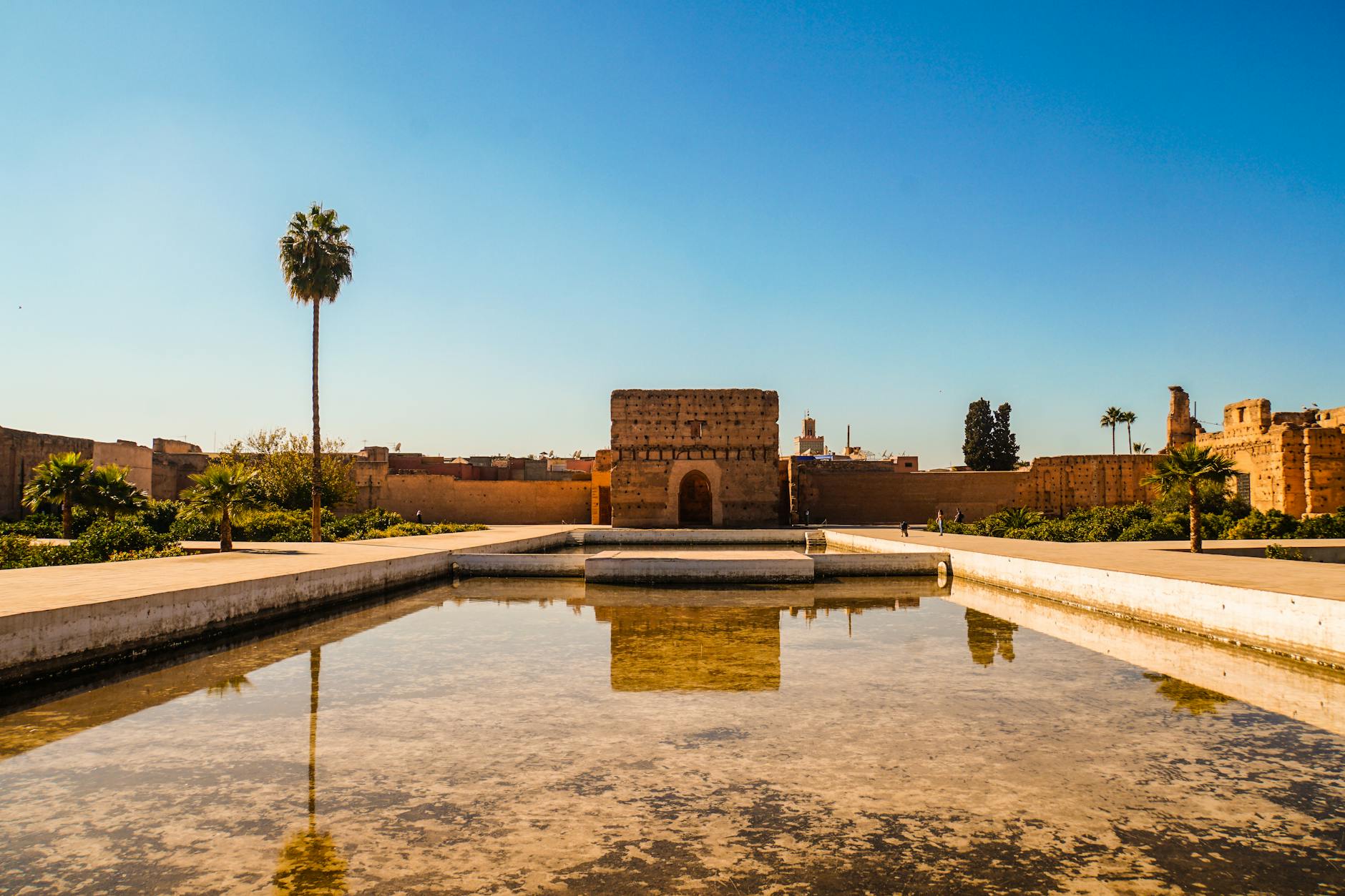
The main tourist areas have constant police presence because tourism accounts for a significant share of the economy. In the Marrakech medina, Fez el Bali, Essaouira, or the organized Merzouga desert, the main risk comes from pushy vendors and fake guides who later charge a commission.
The areas with real higher risk are along the border with Western Sahara and some rural areas of the Rif. Most standard tourist itineraries never go through there, so if you stick to the classic circuit, your exposure is low.
The practical rules are simple: negotiate the taxi fare before getting in (many don't use a reliable meter), be wary of anyone approaching offering "free help" near Jemaa el-Fnaa or the Bab Boujloud gate, and use hotels or riads with good recent reviews. That's it.
Colombia: the real leap of the last 15 years
Colombia is the case where the gap between perception and reality is biggest. The image from the nineties and early 2000s still sticks in a lot of people's minds, but the Colombia tourists visit today (Bogotá, Medellín, Cartagena, the Coffee Triangle, Tayrona) has urban safety comparable to other major Latin American capitals.
That doesn't mean the whole country is safe. There are specific rural areas of Cauca, Nariño, and the borders with Venezuela and Ecuador where armed groups and illicit economies remain active. Those regions are outside any normal tourist route.
In the main cities, the risk is the typical one for big metropolises: opportunistic theft at night or in poorly lit areas. The logical precautions are the same ones you'd apply in Lima, Santiago, or Buenos Aires: don't walk around with your phone out checking maps, use verified ride-hailing apps instead of hailing taxis on the street at night, and check up-to-date reviews of the neighborhood before booking accommodation.
Travelers who've returned multiple times over the last decade agree on one thing: Medellín has transformed its tourist areas. Downtown and El Poblado have far more surveillance and foot traffic than they did fifteen years ago.

Mexico: the difference between Cancun and Sinaloa isn't a nuance, it's a different country
Mexico is the clearest example of why talking about "safety in the country" is useless. Its thirty-two states have very different levels of violence, almost always tied to territorial disputes between criminal groups over trafficking routes, not random attacks on tourists.
The Riviera Maya (Cancun, Playa del Carmen, Tulum), the tourist areas of Mexico City (Roma, Condesa, Polanco, Centro Histórico), San Miguel de Allende, the city of Oaxaca, and Puerto Vallarta operate with completely different security dynamics than states like Sinaloa, parts of Guerrero outside touristy Acapulco, or Tamaulipas.
The most important precaution is checking the specific state before building your route. Flying directly into Cancun or CDMX is one thing. Driving at night on secondary roads in states with active advisories is a completely different matter. Avoid overnight ground transport between cities unless you have recent confirmation that the route is safe.
Egypt: Cairo, the Nile, and the Sinai are not the same risk
Egypt blends two types of perception: political instability that has had peaks since 2011, and terrorism risk concentrated mainly in North Sinai.
The classic tourist circuit (Cairo, Giza, Luxor, Aswan, a Nile cruise, Hurghada, or Sharm el-Sheikh) is where the government concentrates most of its tourist security, because tourism is an economic pillar it actively protects.
North Sinai, far from the tourist beaches of the south, has a history of armed group activity and usually appears in official "do not travel" advisories. No standard tourist itinerary takes you there.
The most relevant precaution in Egypt tends to be road safety: the roads have high accident rates. If you hire ground transport between cities, choose established operators with good reviews instead of the cheapest taxi on the street. That reduces more risk than any other measure.
South Africa: tourist Cape Town vs. Johannesburg without a plan
South Africa is the destination where geographic precision matters most. Within the same city, risk can change radically from one block to the next.
Cape Town's tourist areas (V&A Waterfront, Camps Bay, the Stellenbosch wine route), the Garden Route, and private safaris in Kruger and neighboring reserves account for most of the international tourism, with well-established hotel infrastructure and private security.
Johannesburg has a higher risk reputation, justified in certain areas of downtown and some suburbs. Neighborhoods like Sandton operate with extensive private security. The difference between "Johannesburg is dangerous" and "in this specific area you should only move around by private transport" is exactly the precision you need.
The practical rules are clear: avoid walking at night outside gated hotel areas, don't drive on rural roads after sunset without a planned route, and use hired transport or reliable apps in big cities.
What actually is an estimated figure (and I'll say it plainly)
Some numbers circulating about these destinations don't have a precise, up-to-date official source. That's why I flag them clearly: the exact proportion of incidents against tourists versus locals, the precise percentage reduction in crime in Colombia's tourist areas since 2010, and the exact number of restricted zones, which changes constantly depending on each foreign ministry.
If you need data current to the day of your trip, check your country's foreign ministry site directly. A blog doesn't replace that.
What is consistent and verifiable is the pattern: real risk is geographically concentrated, it almost never overlaps with the main tourist areas, and the precautions that work are specific and actionable.
Travel insurance: the precaution that applies equally to all five
Regardless of the destination, there's one decision that changes your financial exposure: getting travel insurance that covers emergency medical assistance. If you're planning trekking in the Sahara, diving in the Red Sea, or safaris, check that the policy specifically covers those activities.
We've already covered in detail how to choose between SafetyWing, World Nomads, and AXA depending on your passport and type of trip. Check it before buying tickets: the right coverage varies depending on the country you live in and the activities you'll do.
Estimated daily costs 2026 by destination
With the safety topic in context, the next practical question is how much money you need. These ranges come from observed patterns of real costs at each destination. They're our own estimates, not exact quotes from a single source, so use them as a reference range.
| Destination | Budget (USD/day) | Mid-range (USD/day) | Luxury (USD/day) |
|---|---|---|---|
| Morocco | 25-35 | 60-90 | 150-300+ |
| Colombia | 30-40 | 60-100 | 150-350+ |
| Mexico | 35-50 | 70-110 | 180-400+ |
| Egypt | 25-35 | 55-90 | 150-350+ |
| South Africa | 35-50 | 80-130 | 200-450+ |
These numbers include lodging, food, local transport, and one average tourist activity per day. They don't include the international flight. The luxury range goes higher in South Africa because of private safaris, and in Mexico because of premium resorts.
What's interesting is that the real budget for a destination with a bad reputation isn't necessarily higher than one with a good reputation. Perceived danger and actual cost are independent variables.
The best trip isn't the most expensive one or the cheapest one — it's the best reasoned one.
Ready to plan your trip? Talk to Osi on Telegram and we'll help you work out the numbers for YOUR route.
Sources
- Updated travel advisories from foreign ministries (U.S. Department of State, UK Foreign, Commonwealth & Development Office, Mexico's SRE and equivalents, checked July 2026)
- Global Peace Index 2025-2026, Institute for Economics and Peace
- Crime and safety perception data from Numbeo (updated 2026)
- Annual tourism reports from the ministries of Morocco, Colombia (ProColombia), Mexico (SECTUR), Egypt, and South Africa
- Verified traveler experiences on specialized platforms and routes monitored by ThePlan Travel (2023-2026)