
Machu Picchu updated its access rules. If your guide is from 2023 or even 2025, chances are you're working with information that's no longer valid: the circuits were reorganized, entry times changed, and some tickets that used to exist aren't sold the same way anymore.
This itinerary is built for first-timers: two nights in Lima, three nights split between Cusco and the Sacred Valley, and one full day dedicated solely to Machu Picchu. No rushing between eight destinations in seven days. The idea is that you arrive, adjust, understand the country, and leave wanting to come back.
I'll be completely transparent with you: tourist train fares and Machu Picchu tickets change more often than international flights. In this article I'll tell you exactly what data I have confirmed for 2026 and what you need to verify yourself. That way you make decisions based on real information, not made-up numbers.
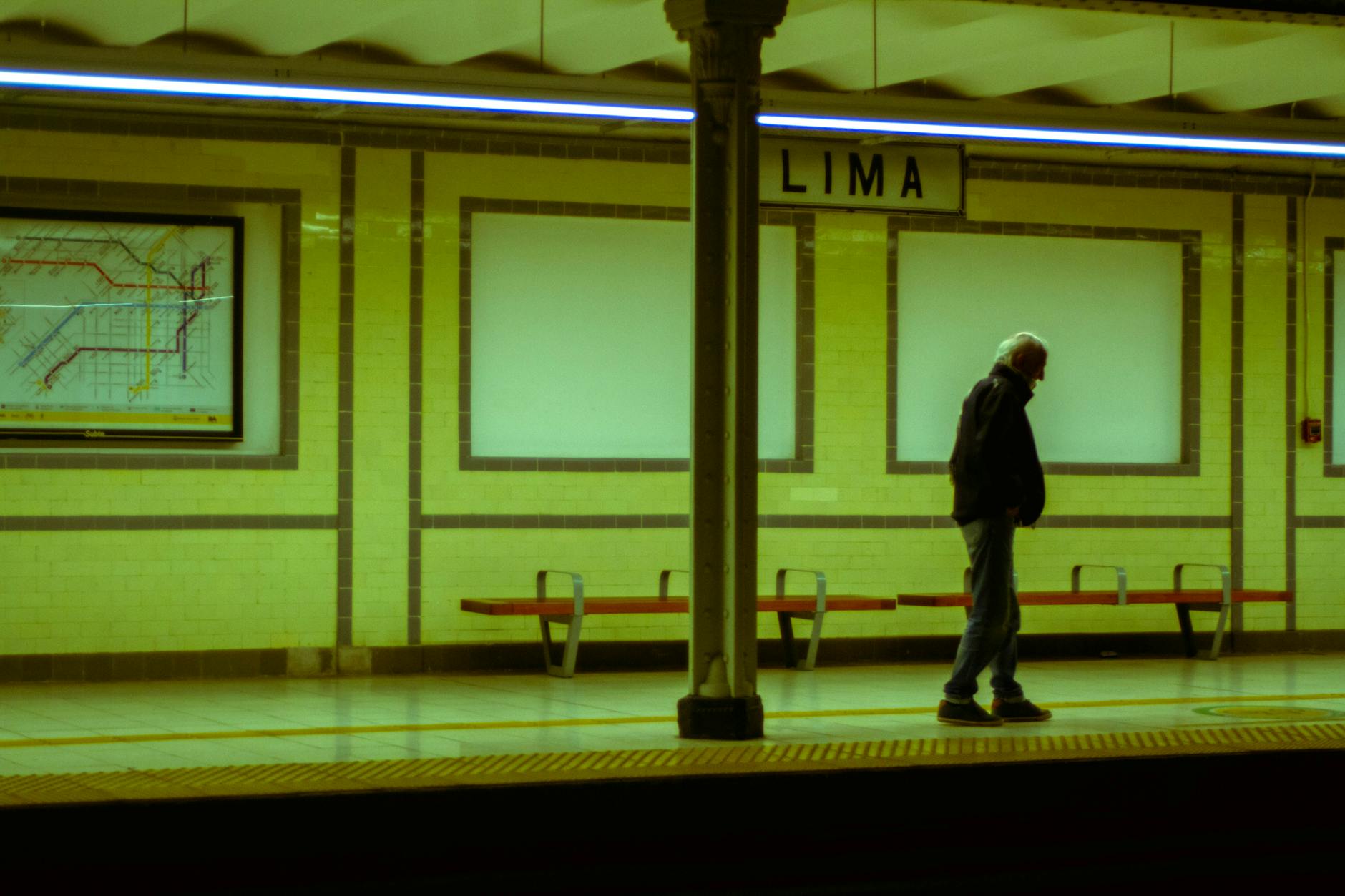
Lima: Two Nights to Understand Why It's a Culinary Capital
🔗 Recommended · Kiwi.comLima isn't just the gateway. According to serious culinary rankings over the past decade, it's one of the best cities in the world to eat in.
Two nights aren't enough to exhaust it, but they're enough to leave you with a solid impression before heading up into the Andes. Stay in Miraflores or Barranco: both are safe, walkable, and home to the restaurants that are genuinely worth it. Miraflores is more orderly and touristy; Barranco has more character, street art, and nightlife.
Focus on eating well. Fresh ceviche at a local market, a nikkei meal that showcases the Peruvian-Japanese fusion Lima perfected, and, if your budget allows, a fine-dining Peruvian experience. Walk the Malecón in Miraflores at sunset and save the evening for Barranco.
One detail many first-timers overlook: Lima is at sea level and Cusco sits at 3,400 meters. These two nights give you a gradual acclimatization that noticeably reduces the risk of serious altitude sickness once you reach the highlands.
Flight vs. Bus: Lima to Cusco, Your First Real Budget Decision
This is where the real trip math begins. You have two options for getting to Cusco, and the difference isn't just price — it's time and energy.
The flight takes approximately one hour and twenty minutes. It's the option I recommend for anyone with only seven days. Check LATAM, Sky Airline, and JetSMART directly, and compare prices at least two weeks in advance since fares vary by season and demand.
The bus takes between eighteen and twenty-two hours. Cruz del Sur and Oltursa run sleeper buses with seats that recline almost all the way. It's considerably cheaper than flying, but it eats up an entire day of your week — almost 15% of the whole trip lost on the road.
With only seven days available, every day counts. Losing twenty hours to save on the ticket almost never pays off. It's true the overnight bus could replace a night's hotel stay, but on such a tight itinerary, the flight gives you more real hours in Cusco and the Sacred Valley. If your trip were twelve or fourteen days, the equation changes and the bus becomes a legitimate option.
For this seven-day plan, my recommendation is clear: fly.

Sacred Valley: The Acclimatization That Decides Whether You Enjoy Machu Picchu
The most common mistake is landing in Cusco and rushing off to Machu Picchu the next day. At 3,400 meters, altitude sickness doesn't distinguish between athletes and sedentary people — it hits based on your physiology.
The solution is to start in the Sacred Valley. Urubamba, Ollantaytambo, or Pisac sit around 2,800 meters. Spending your first night or two there noticeably reduces the risk of altitude sickness before heading up to Cusco or the Inca citadel.
The Sacred Valley isn't just a transitional stop. It has stunning agricultural terraces in Pisac, the living fortress of Ollantaytambo — which is also the main train station to Machu Picchu — and craft markets with better quality and less pressure than those in Cusco.
Structure your three nights like this: one night in the Sacred Valley to acclimatize and explore, one night near Aguas Calientes so you can dedicate a full day to Machu Picchu without an extreme early wake-up, and a final night in Cusco to close things out with its historic center, Plaza de Armas, and Sacsayhuamán.
Machu Picchu 2026: What Changed and What You Need to Know Before Booking
Most guides you find online get this wrong because they repeat information from two or three years ago without updating it. The circuit system is still in effect in 2026: you don't buy a generic ticket, you buy access to a specific route with an assigned entry time. This framework has existed since 2019 in various versions and continues in 2026.
What I don't have confirmed from an official source as of July 2026 — and so I won't make it up — is the exact ticket price in soles or dollars, the precise number of active circuits this year, the exact time slots for each entry window, or whether the combined ticket with Huayna Picchu or Montaña Machu Picchu is still available. These details are regulated by the Ministry of Culture and they change. Verify them directly at machupicchu.gob.pe or with your travel agency 30 to 60 days before your trip.
What is consistent: the most in-demand entry slots, the early morning hours, sell out weeks in advance during high season, from May to September. Booking your ticket and train six to eight weeks ahead isn't excessive — it's necessary.
About the train: PeruRail and IncaRail operate the main categories — economy, panoramic, and luxury — and prices rise considerably from one tier to the next. Compare directly at perurail.com and incarail.com. The difference can account for half or more of your total transport budget.
I'd rather tell you "verify this" than give you a figure that may have changed months ago. That honesty avoids costly surprises.
Cusco: Closing Out Your Week
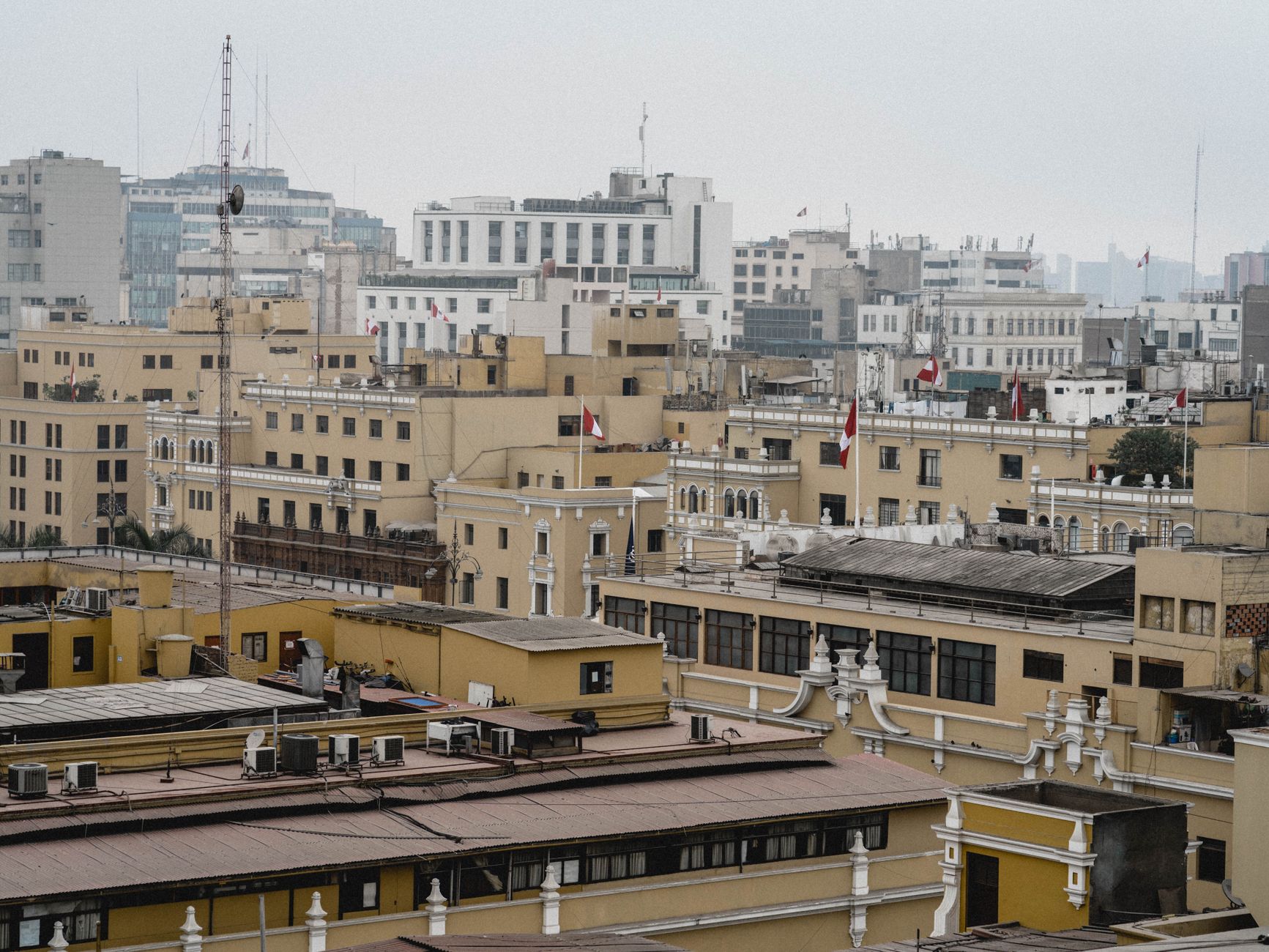
Your last night should be in the city of Cusco. After the physical and emotional intensity of Machu Picchu, the city gives you a calmer, more cultural close to the trip.
Walk through the Plaza de Armas at night, step into the Cathedral, wander the San Blas neighborhood with its cobblestone streets and artists' workshops. If you still have energy, climb up to Sacsayhuamán to see the city lit up from above.
It's also your last chance to buy quality crafts: alpaca textiles, Pisac ceramics, and silver jewelry. Sacred Valley markets tend to offer better value, but Cusco still has good options before you fly back home.
Three Budgets: Budget, Mid-Range and Luxury
Itineraries usually give vague ranges without explaining what drives the cost. Here's a clear comparison of the variables that actually move the needle on this seven-day trip: Lima-Cusco transport, train category, lodging level, and Machu Picchu ticket type.
Budget profile: Overnight bus instead of a flight, hostels with shared rooms or budget private rooms, basic-category train, meals at markets and local restaurants, basic circuit with no extras. This works really well in Peru because street food and market food are excellent even in their simplest version. You prioritize the experience over comfort.
Mid-range profile: Lima-Cusco flight, well-located three- to four-star or boutique hotels, panoramic train (Vistadome or equivalent), at least one standout meal in Lima, Machu Picchu ticket with the possibility of adding Montaña or Huayna Picchu if availability allows that year. This is where most first-time travelers looking for balance land.
Luxury profile: Premium-class flight when available, luxury lodges in the Sacred Valley or five-star hotels in Cusco, the Hiram Bingham train or equivalent, fine dining, private guide at Machu Picchu. Every detail is curated.
The train to Machu Picchu and the lodging category are the two variables that most impact your total budget. Daily food, on the other hand, stays surprisingly affordable at every level. When you talk to Osi, we can calculate the exact numbers using rates current at the time of your booking.
Practical Tips You Won't Find in Generic Guides
Acclimatization isn't optional. Spend at least twenty-four to forty-eight hours on light activities before any major physical exertion. Coca tea helps some people, but it doesn't replace drinking plenty of water and resting.
Carry cash in soles. While cards work at hotels and tourist restaurants, cash is still essential at Sacred Valley markets, local taxis, and small towns.
Book Machu Picchu with real advance notice. The circuit-and-timed-slot system means leaving it for the last minute is the difference between entering at the time you want or not getting a ticket at all.
Dress in layers. Mornings and nights in Cusco and the Sacred Valley can drop several degrees, while midday sun is intense. A good fleece, a light jacket, sunscreen, and a hat are essential.
Hire a certified guide for Machu Picchu. The historical context they provide transforms the visit and justifies the investment, especially on your first trip.
The best trip isn't the most expensive one or the cheapest one — it's the best-reasoned one.
Ready to plan your trip? Talk to Osi on Telegram and we'll help you work out the numbers for YOUR route.
Sources
- Official Machu Picchu website — machupicchu.gob.pe
- PeruRail — perurail.com
- IncaRail — incarail.com